When I step outside my southern Idaho home on a warm March day, the bird migration is difficult to miss. The red-winged blackbirds have shown up in huge flocks. The first ospreys carry sticks to begin building their nests. I may be lucky enough to hear the trilling of sandhill cranes or the nasally honks of a huge flock of snow geese.
Birders, backyard nature observers and casual walkers notice and appreciate this spring bird migration.
In the nearby rivers and creeks, other migrations are taking place, largely out of sight and out of mind. Fish move out of larger rivers and tributary creeks in great numbers, yet these seasonal movements remain uncelebrated and often poorly understood.
Most readers will know of the epic salmon migrations, with stream banks littered with red carcasses, and brown bears and eagles feasting on the bounty.
Other fish migrations are just as important ecologically and culturally. Many involve fascinating natural history. All illustrate the importance of connected waters and habitats. Let’s take a look at some fascinating, overlooked freshwater fish migrations.
Top 10 List
-
Nopili Rock-climbing Goby
Sicyopterus stimpsoni
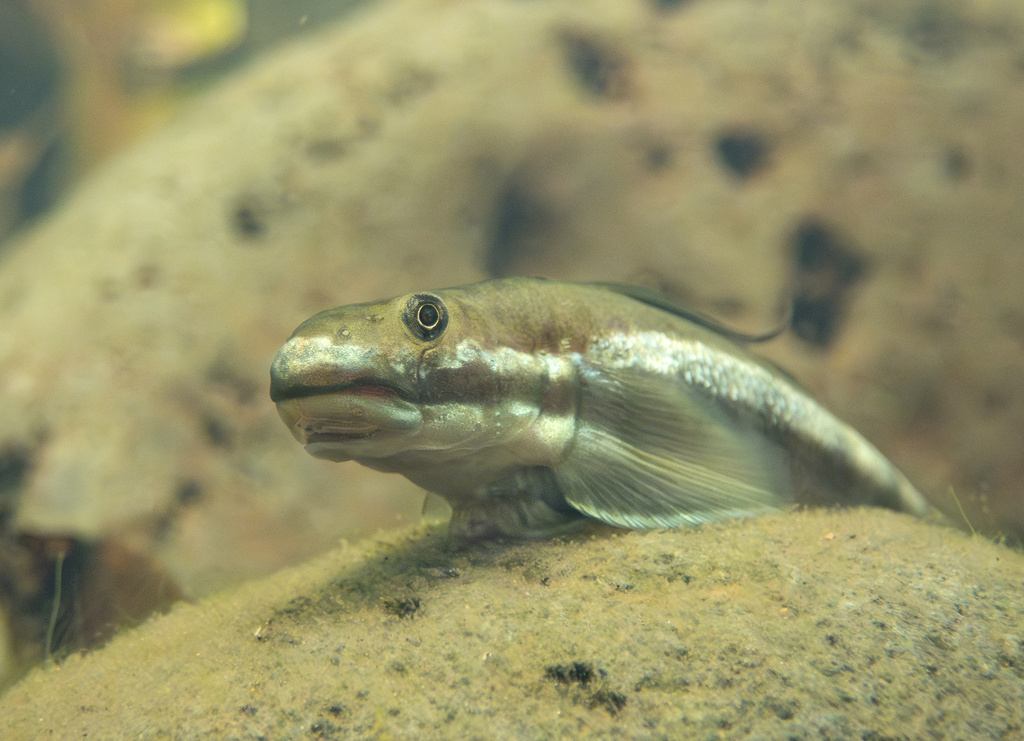
The Nopili Rockclimbing Goby. © Jules Wyman / iNaturalist The Nopili rock-climbing goby is one of only 7 native freshwater fish in Hawai’i (5 of the 7 are gobies). It undergoes a migration from freshwater to saltwater, in itself not all that ununusal.
But the Nopili rock-climbing goby must negotiate vertical waterfalls to do so. The 7-inch fish can climb a 100-foot waterfall with frothing currents.
This goby spawns in freshwater streams, and the larvae drift to the ocean to grow by eating an omnivorous diet. It’s when they return that things get really wild.
Like many gobies, the Nopili rock-climbing goby has a sucker on its belly (actually two fused fins to form a suction cup). As the fish approaches waterfalls, it undergoes a metamorphosis in which its mouth moves from the front of its chin to underneath, creating a sucker mouth.
The goby’s diet will transition to sucking algae off rocks, for which its new mouth is perfectly positioned. But that sucker mouth serves another purpose: ascending waterfalls.
The Nopili rock-climbing goby uses its two suckers to grasp rocks as it inches up formidable waterfalls using a caterpillar like motion. It can take three days to make its way up a waterfall. It may not be the longest migration, but it’s certainly one of the most epic.
-
Peamouth, Largescale Sucker and Chiselmouth
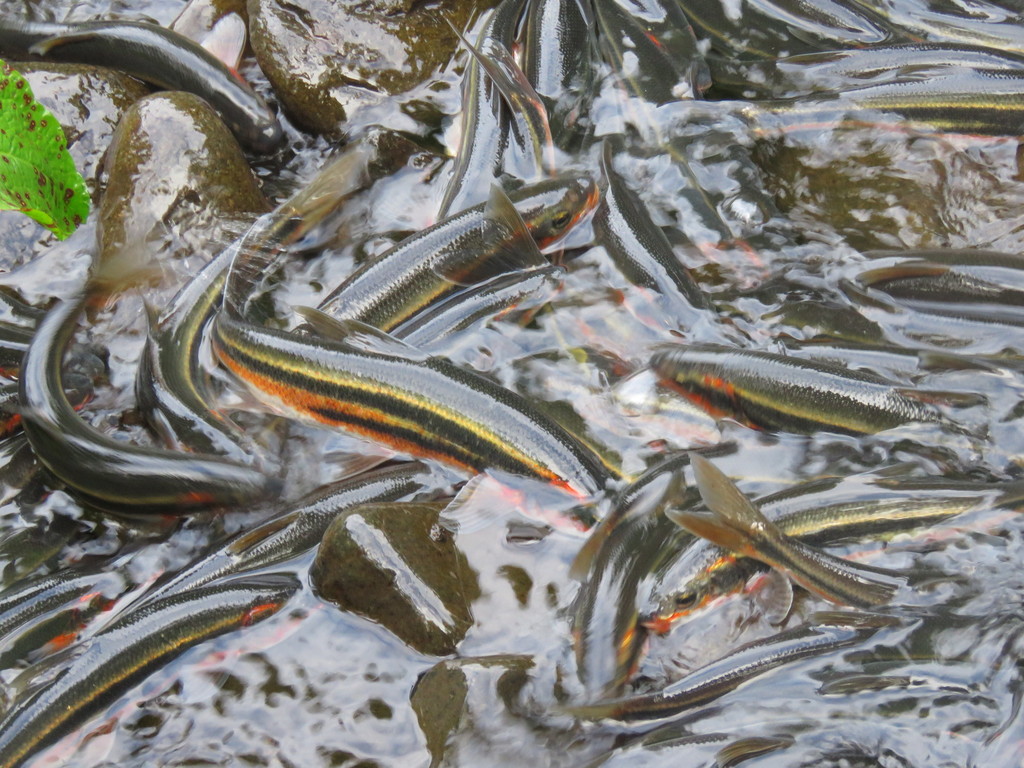
Migrating pea mouth chub. © Andrew Cope Emlen / iNaturalist North America’s Columbia River Basin is well-known for its past salmon migrations…and the contention around dams that block those migrations.
The vast Columbia system is also home to other fish migrations, many of which still occur because they cover shorter distances. Many fish species annually migrate from larger rivers and reservoirs to tributary creeks to spawn. Most anglers and even conservationists don’t know these fish exist.
Tracking Migrations
Eight innovative ways scientists are mapping migrations to make smarter conservation decisions.
The peamouth is a larger minnow that develops black stripes and red highlights during spawning season. They move out of lakes and rivers en masse over a period of 24-48 hours, spawning quickly and then returning to deeper waters. I’ve tried to catch this phenomenon for years and have always failed.
The chiselmouth, as its name imples, has a chisel that it uses to scrape algae and microinvertebrates off rocks. They too will undertake short migrations up tributary creeks to spawn. You can hear me celebrate this species, and offer angling tips, on the U.S. Fish and Wildlife Service’s Fish of the Week podcast, a great source of information on North American fishes.
The largescale sucker may be the most common migratory fish today in many streams of the Columbia and Snake River basins. Just this weekend, my son and I journeyed to a local stream to catch the first suckers beginning their annual run. Unlike many anglers who unfairly revile suckers, we consider them great sport fish to catch on barbless hooks. The fishing rod becomes a way to connect to a natural spectacle that few even know exist.
-
Redhorse
Moxostoma carinatum
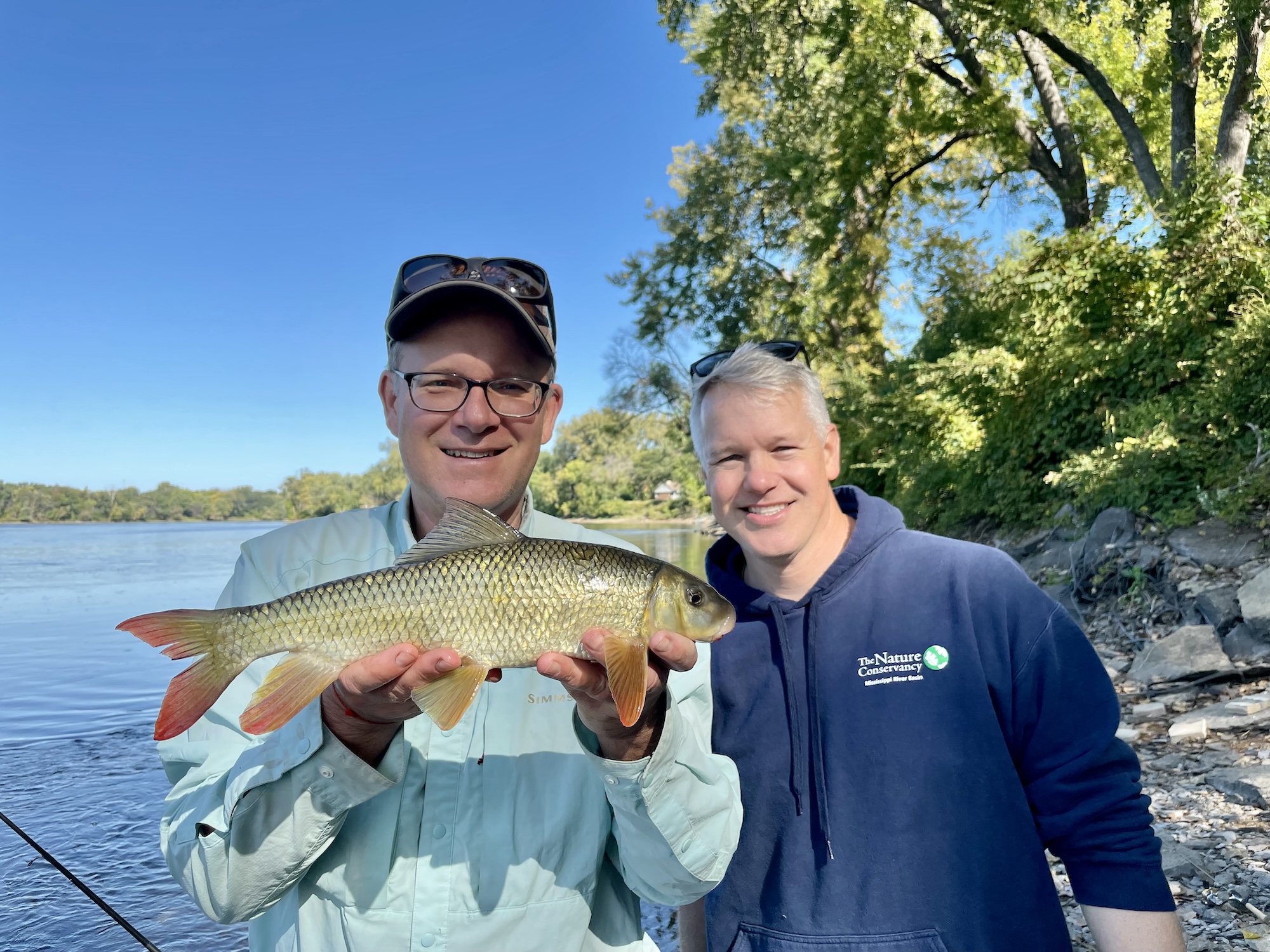
The author and Steve Harrington of TNC-Minnesota with a shorthead redhorse. © Matthew L. Miller Redhorses are another genus of suckers known for their migratory behavior. In the Midwest, Indigenous people celebrated a “Sucker Moon” when redhorse began their spawning run. As with salmon runs, it was a time of harvesting, feasting and celebration.
European colonists brought their own prejudices on what fish were “valuable” and what were not. Redhorses, like other suckers, were often called “roughfish” or “trash fish,” cultural names that have no relationship to reality. These values still exist in modern fisheries management, where often redhorses and other native “roughfish” can be killed without limit or restriction. Fortunately, a new movement among anglers and freshwater conservationists is changing this narrative. In Minnesota, native roughfish will now be regulated by science-based management, an initiative supported by The Nature Conservancy.
-
Alligator Gar
Atractosteus spatula
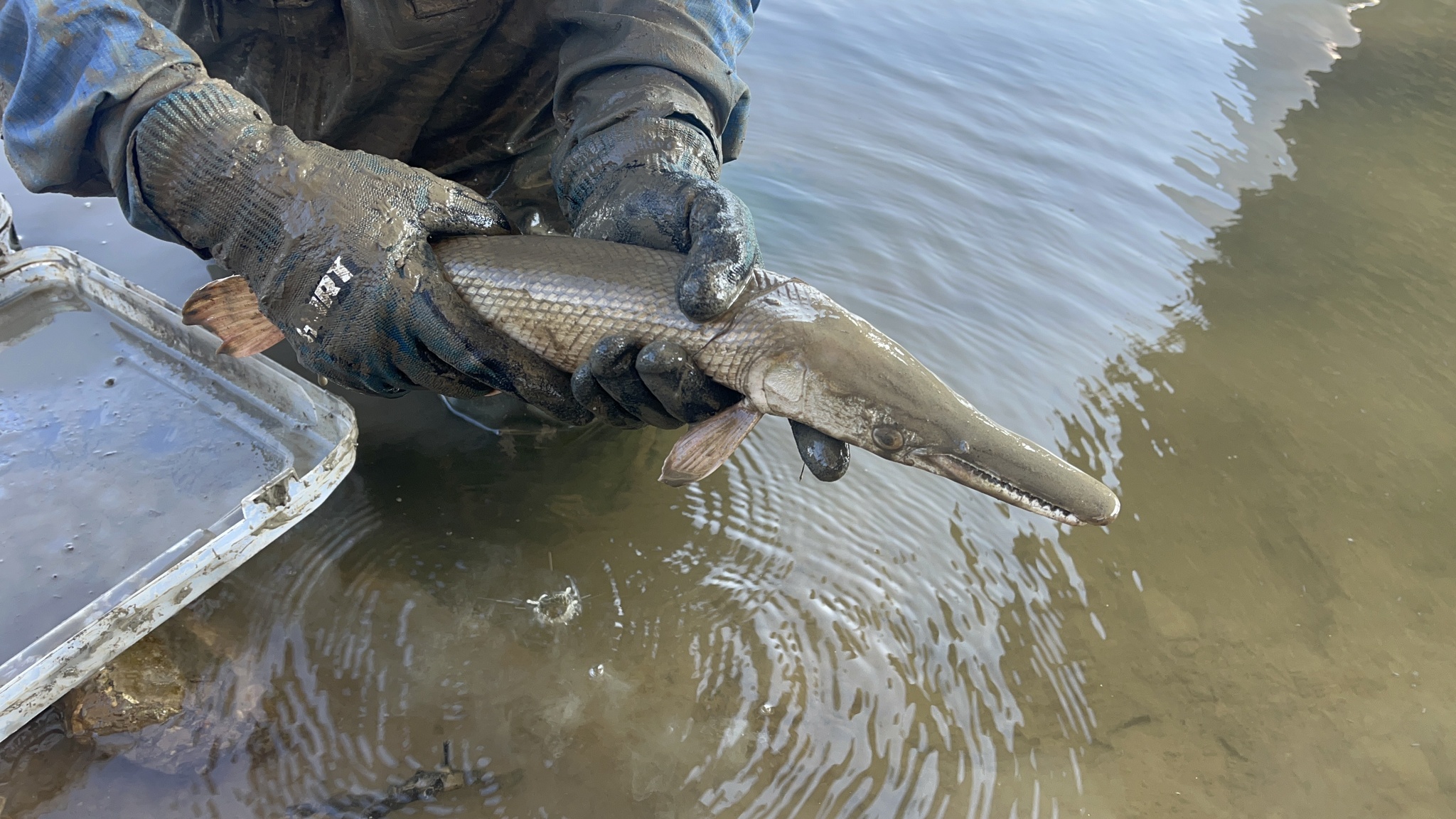
An alligator gar. © saraoliveros / iNaturalist When we think of fish migrations, we often think of fish moving upstream or downstream. That’s not the case with alligator gar. “Most gar species undertake a lateral migration,” says Solomon David, aquatic ecologist and assistant professor at the University of Minnesota. “They require flooding. They move from the river onto the floodplains.”
According to David, alligator gar spawn on flooded terrestrial vegetation. The young have to move quickly as that vegetation isn’t going to be submerged long.
“You have these 8-foot long fish moving out of the river onto a floodplain into what can be really shallow water,” says David.
As with other migrations, connected habitat is still important. That’s why David is working with The Nature Conservancy in Mississippi to reconnecting the Mississippi River to floodplains at Loch Leven, the largest such restorations in the watershed.
-
Sharptooth Catfish
Clarias gariepinus
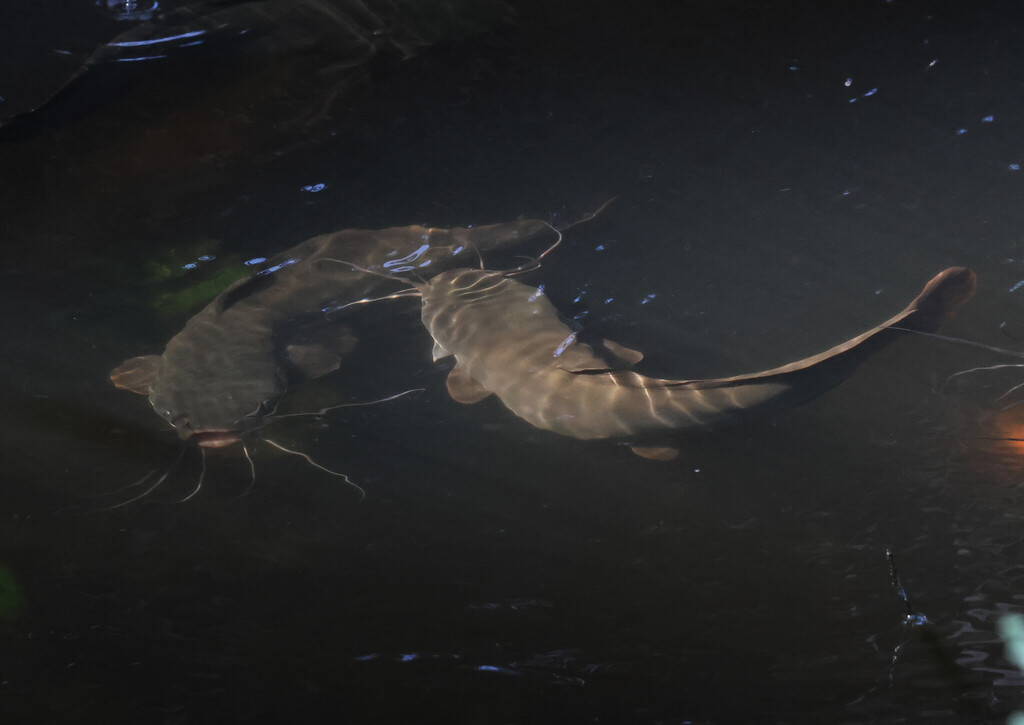
Atractosteus spatula The Okavango Delta of southern Africa is the world’s largest inland delta, fed annually by seasonal floods. While the Okavango is home to only 87 fish species – a smaller number than many of the world’s great river basins – it makes up for this with aquatic drama.
Like the gar, the sharptooth catfish makes its spawning run by moving into floodplains. As the water recedes, smaller fish move into deeper channels in great concentrations. And the catfish are there to meet them.
Biologists report the catfish chasing smaller fish onto the banks, where they gorged. Some catfish even utilize pack-hunting behavior. The catfish are followed by tigerfish that explosively attack shoals of baitfish. Various birds and crocodiles join the feast. Those who have seen it say it’s one of the greatest and most chaotic natural spectacles (and perhaps my ultimate fishing dream).
-
Dorado Catfish
Brachyplatystoma rousseauxii
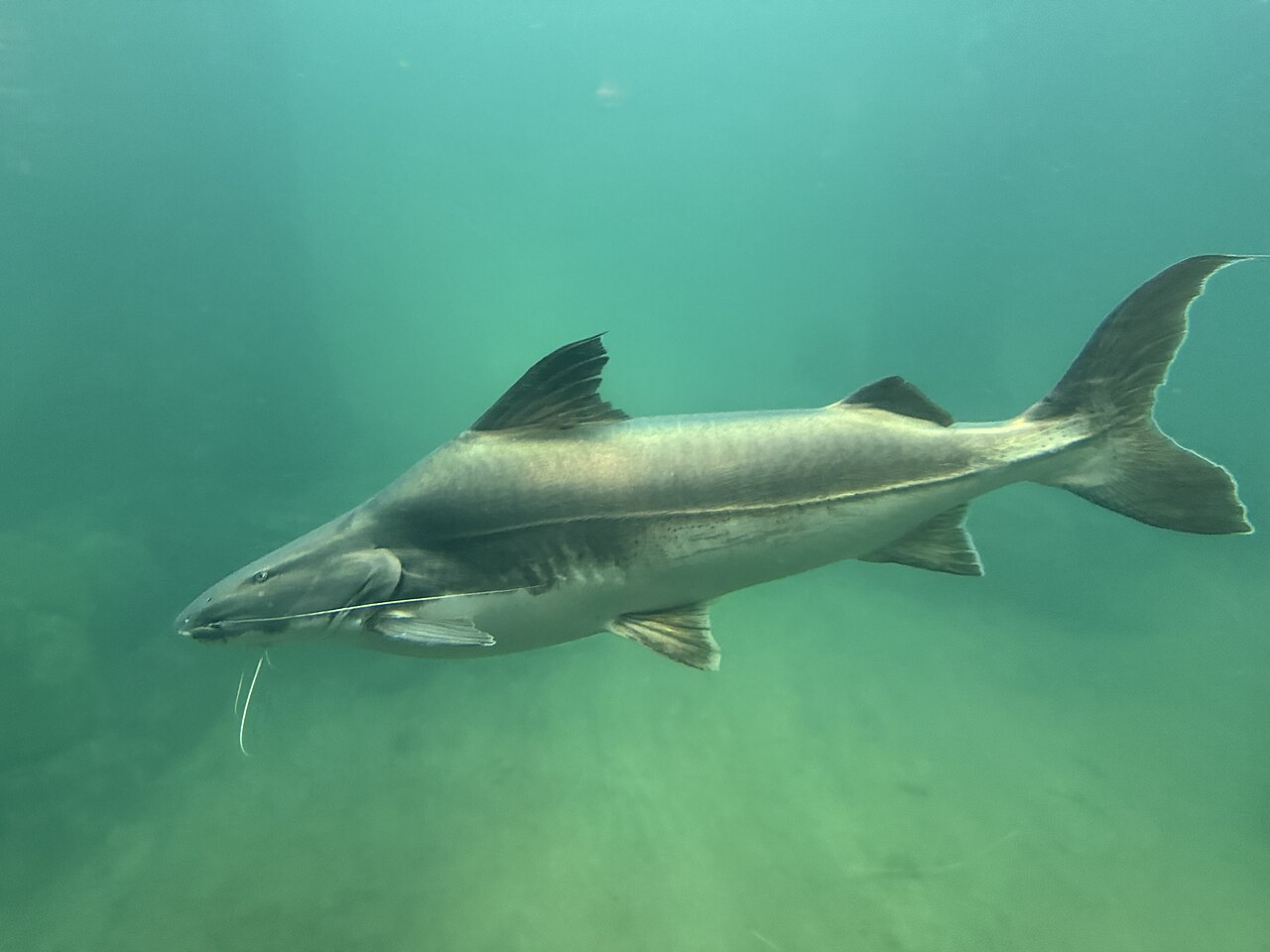
The dorado, or gilded catfish. © Cool Critter Channel / Wikimedia Commons For those living outside the Amazonian region, there isn’t an iconic migratory fish like salmon. In reality, there are fishes in the Amazon that undertake migrations that make salmon migrations look like a lap at the swimming pool.
One of those fishes is the dorado catfish, a fish that can reach the size of 4 feet, which undertakes what is likely the longest freshwater fish migration on the planet, that feeds communities and features in myth.
It has long been known that dorado catfish undertake lengthy migrations from headwaters to the Amazon estuary. Recent efforts have found they may be the longest fish migrations of all.
Recent studies found that dorado catfish could migrate distances as long as 6,500 miles, longer than any other fish ever recorded. The fish were born in headwaters on the Andean piedmont, then migrated as larvae down the Amazon all the way to where the great river meets the sea. As adults, they return to spawn.
-
New Zealand’s Eels
Anguilla dieffenbachii, Anguilla australis, Anguilla reinhardtii
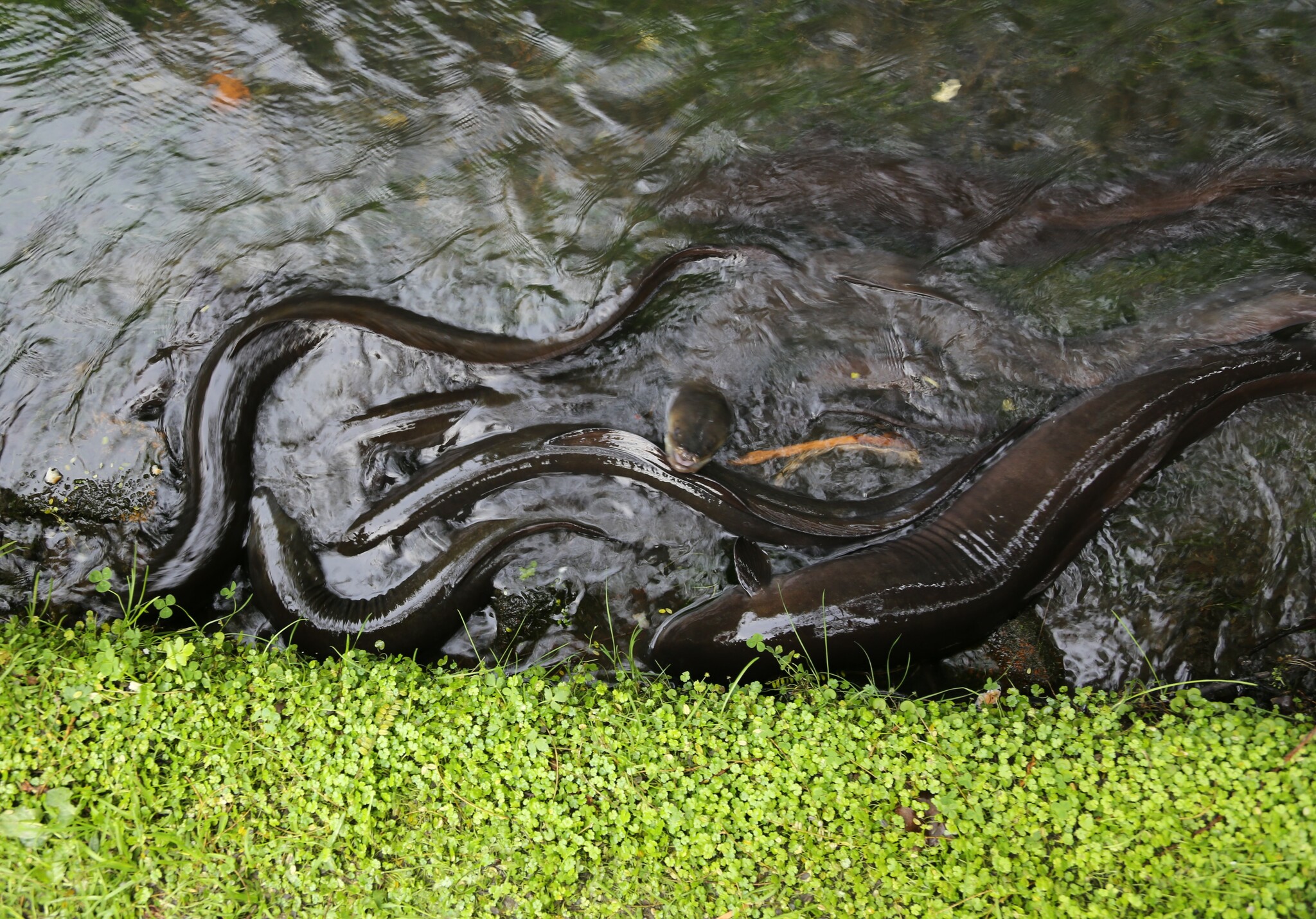
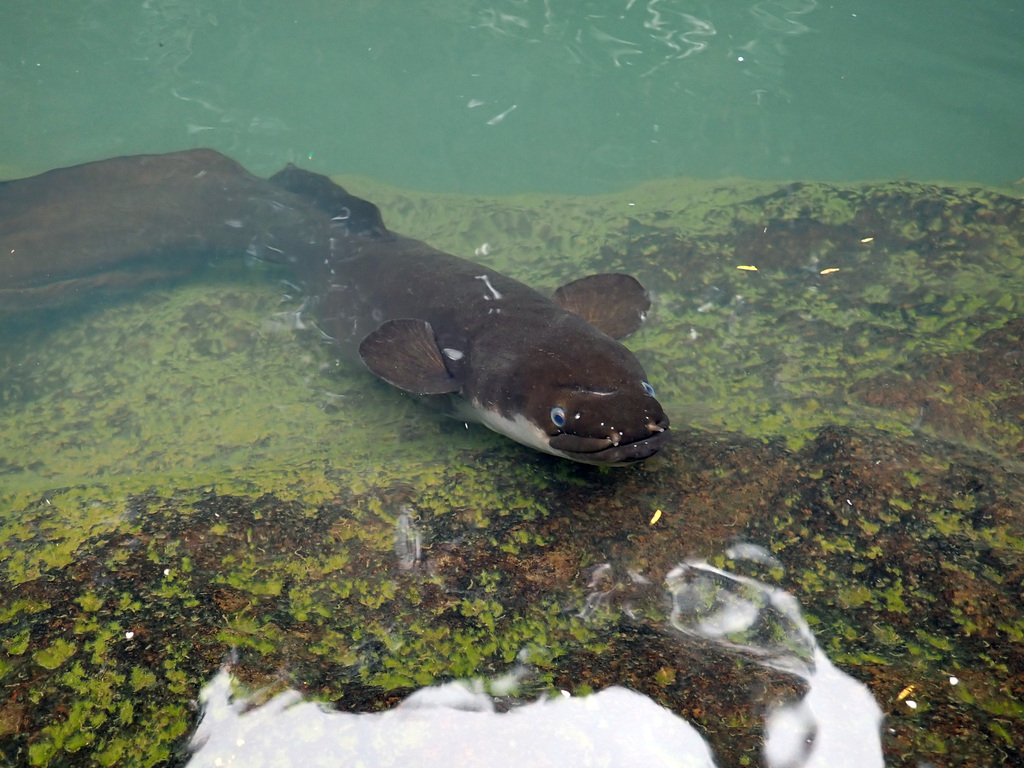
New Zealand longfin eels.© Jean Roger / iNaturalist Many eels are known for their epic and unusual migrations. Unlike salmon, shad and many other well-known migratory fish, eels spawn at sea and migrate as young eels (called elvers) into freshwater rivers, where they mature.
The location of the North American and European eels’ spawning grounds was a long-time mystery, now known to be the Sargasso Sea.
The New Zealand eel migration was an even tougher mystery to crack, as Justine Hausheer notes in a previous Cool Green Science feature. The longfin and shortfin eel spend much of their lives in New Zealand rivers (where they face numerous threats including dams, pollution and overfishing).
But when they return to the sea, the migration became difficult to track. The reason? Eels immediately go deep. Very deep. One eel was recorded 3,200 feet below the surface.
As researchers continued tracking eels, they determined that the eels like spawned in the tropics, a journey of 5 or 6 months.
As with so many freshwater fish migrations, there’s still much to learn. As rivers and streams face ever-increasing threats, information on migrations can help in dam siting and setting fisheries regulations.

Join the Discussion