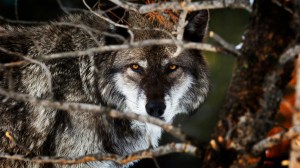
Discover stories in Uncategorized
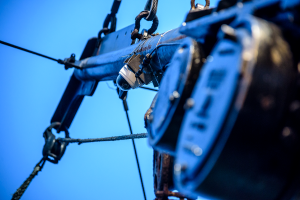
The (Fishery-Monitoring) Cameras Never Blink
We live in a time of unprecedented innovations to solve the Gordian Knot of sustainable fisheries: the lack of data.
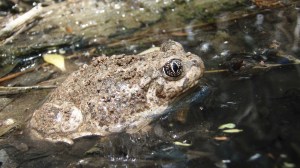
You Won’t Believe How This Desert Toad Survives Drought
A Great Basin spadefoot toad might hunker down for a decade waiting for Mother Nature to produce a puddle.
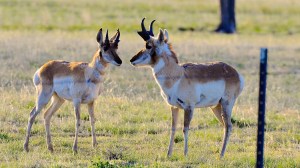
How Can the Pronghorn Cross the Fence?
Pronghorns may be the second fastest land mammal on earth, but a simple fence can stop them in their tracks.
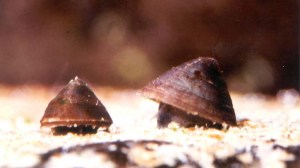
Secret Snails of the Magic Valley
In the isolated, crystal-clear waters of Idaho’s Thousand Springs region live species found nowhere else on earth.
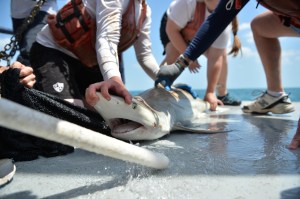
Satellite-Tagged Sharks Provide New Data on Gulf Migrations
Follow Nature Conservancy scientists as they tag sharks in the Gulf of Mexico to better understand their migration.
The Nomad’s Bookshelf: Essential Reads for the Traveling Naturalist
The Cool Green Science staff brings you their list of essential reading for the wanderlust-struck nature-lover.
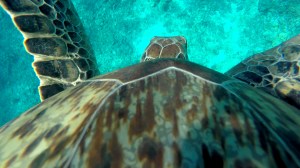
Video: A Sea Turtle’s View of the Reef
Go along for the ride with a green sea turtle as it explores a reef — and meets another turtle — in the Solomon Islands.
Welcome to the Sea Turtle Rodeo
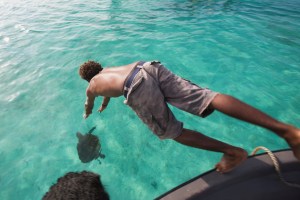
Join scientists and community rangers on a “turtle rodeo” to tag juvenile green turtles in the Solomon Islands.
Recovery: Second Chance for Yankee Cottontails
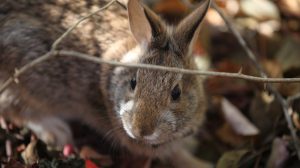
After decades of being ignored, the little-known New England cottontail has a hopeful future.
Poisoning Vultures Will Come Back to Bite Us
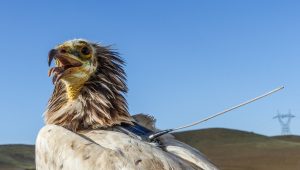
Killing off the world’s vultures can come back to bite people — literally — in the form of rabid dogs.
Remember That Catastrophic Natural Gas Leak in California? Yeah, That Could Happen Again
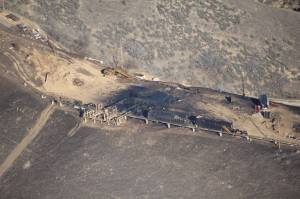
New research finds 1 in 5 active underground natural gas storage wells in the U.S. could be vulnerable to large-scale accidental releases, like the one at California's Aliso Canyon well field in October 2015.
Tips for Seeing Wolves and Bears in Yellowstone
Want to see a gray wolf, black bear or grizzly in Yellowstone? Expert tips for making the most of your predator spotting adventure.