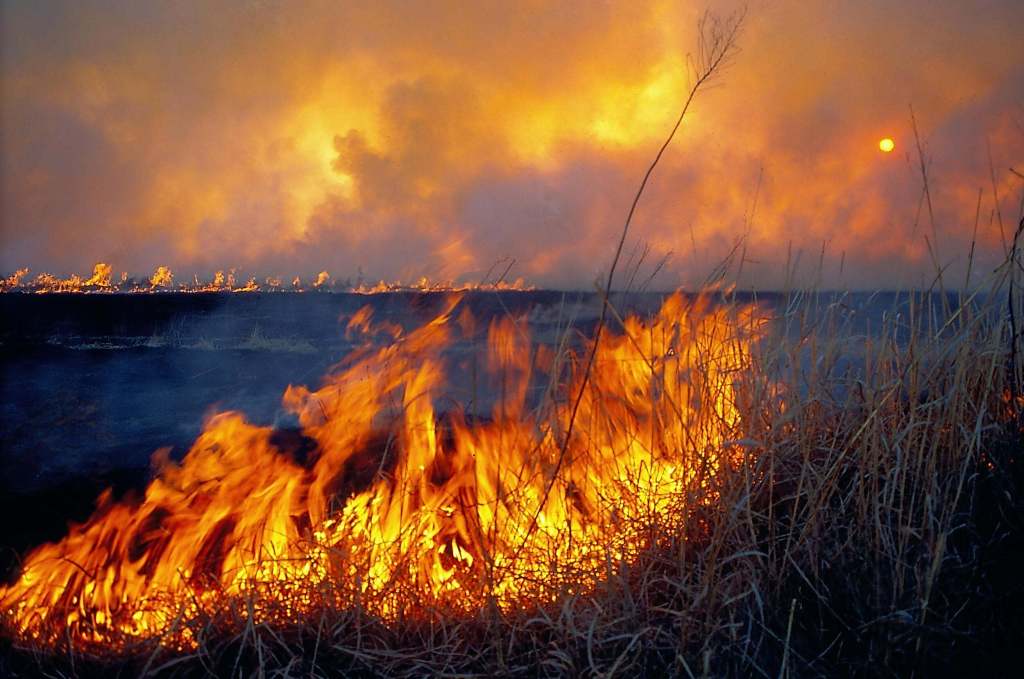
Fire is essential to tallgrass prairie health, but different fire frequencies benefit different species. This study shows there is no universal burn regime—effective conservation requires varied, landscape-level fire and grazing strategies.
The Gist
Tallgrass prairies—once among North America’s most expansive ecosystems—survive on disturbance. Fire and grazing maintain open grasslands, prevent woody encroachment, and sustain biodiversity. But not all fires have the same ecological impact. This study synthesizes 37 research papers from across the tallgrass region, including work at Konza Prairie Biological Station, and The Nature Conservancy’s (TNC) Joseph H. Williams Tallgrass Prairie Preserve in Kansas, and TNC’s Broken Kettle Grasslands Preserve in Iowa, to ask: How does fire frequency shape plants, animals, and soils in tallgrass prairie?
Published in Fire Ecology, the study was a collaborative effort among multiple authors from TNC and academic scientists across the American Midwest. It compares three common fire regimes—annual burns, 2–4‑year burns, and burns paired with grazing—and examine impacts on arthropods, birds, plants, small mammals, and soil nutrients. Across all taxa, no single fire-return interval emerges as “best.” Instead, each regime creates tradeoffs that can help or hinder conservation goals depending on context.
The Big Picture
Tallgrass prairie is now one of the most endangered ecosystems on Earth, with less than 13%—and in some places only 1%—remaining. Historically shaped by Indigenous burning and vast bison herds, these prairies were once dynamic mosaics of recently burned and recovering patches. Modern fire suppression and land fragmentation have disrupted those natural cycles.
Today, land managers rely heavily on prescribed fire to restore ecological balance. Yet fire affects each component of the prairie differently:
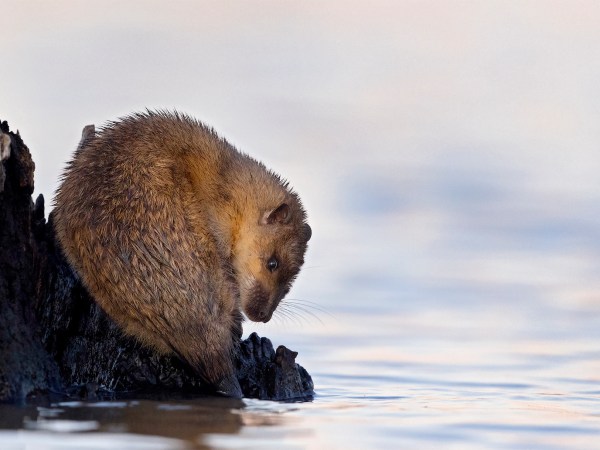
- Annual fire increases small mammal abundance but lowers plant abundance and diversity.
- Burning every 2–4 years boosts plant productivity but reduces arthropod abundance and decreases plant diversity.
- Fire with grazing (often patch-burn grazing) increases plant abundance and diversity, but arthropod and bird abundance decline.
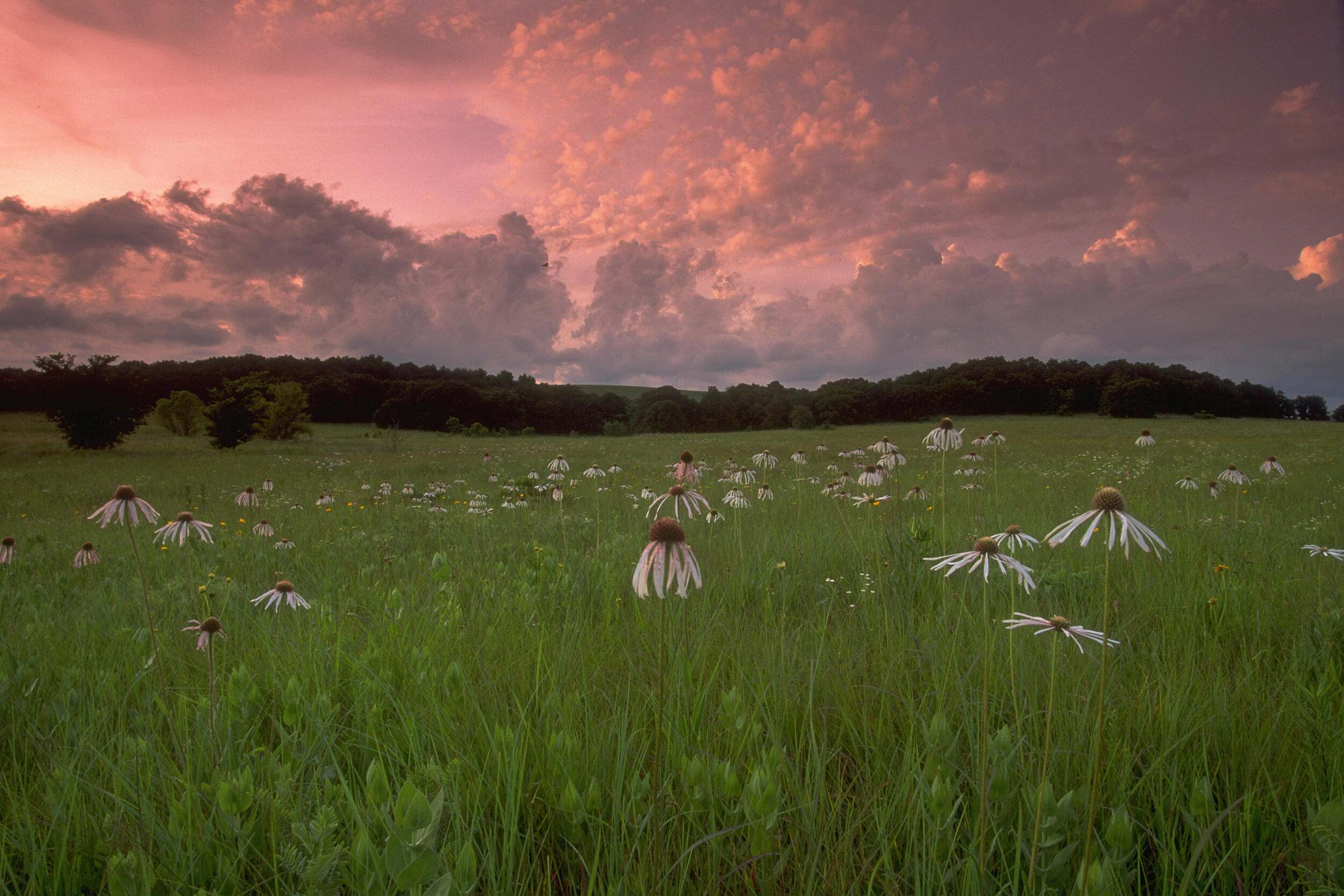
These varied responses reflect the complexity of tallgrass ecosystems: frequency, season, fire history, and grazing all interact to shape species survival and habitat conditions.
The study also identifies key data gaps. Comparable studies are limited for soils, small mammals, and birds, especially in the eastern tallgrass prairie where long-unburned areas are rare. Still, this synthesis provides one of the clearest regionwide assessments of how burn strategies shift ecological outcomes.
The Takeaway
For conservation, the message is clear: effective prairie restoration requires varied fire regimes, not one-size-fits-all prescriptions. Heterogeneity—different burn histories and grazing patterns across the landscape—is what supports long-term resilience.
The findings reinforce strategies already used by TNC: combine prescribed fire with compatible grazing to create a shifting patchwork of recently burned, recovering, and long-unburned habitat. This mosaic:
- expands niche space for diverse plant species
- slows woody encroachment
- supports forb communities critical for pollinators
- stabilizes ecosystem processes over time
Because no single fire-return interval benefits all species, managers should set clear goals—such as increasing plant diversity, improving forage, reducing brush, or supporting particular species—and tailor fire and grazing accordingly. Patch-burn grazing, typically with low to moderate stocking, is a proven approach for creating beneficial habitat variability.
More broadly, the study argues for restoring ecological processes, not just individual species. That includes embracing Indigenous fire knowledge, reintroducing or mimicking large grazers, and investing in long-term monitoring at places like Konza and TNC preserves. These practices recreate the dynamic conditions tallgrass prairie evolved with and depend on.
In a landscape that has lost more than 85% of its historic extent, using fire thoughtfully and strategically is not just a management choice—it is a conservation imperative.