Discover stories in Conservation Science
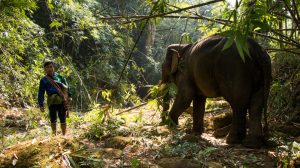
Saving Myanmar’s Timber Elephants
Logging elephants are an incredible part of Myanmar’s history — but they’re also key to help reduce the negative impacts that logging can have on the forests.
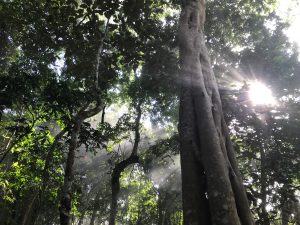
Illegal Logging & Energy Shortages Pressure Myanmar’s Forests
Facilitated by organized crime, illegal logging threatens to destroy Myanmar’s forests. But a national energy crisis and the ensuing fuelwood demand pose an equal threat.
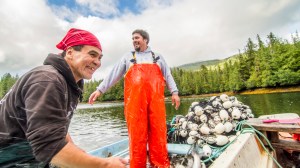
Science and Economic Development in the Emerald Edge
Working in partnership with indigenous peoples and local communities is critically important to achieving outcomes for people and nature. Social science is the backbone of The Nature Conservancy’s approach to strengthening voice, choice and action.
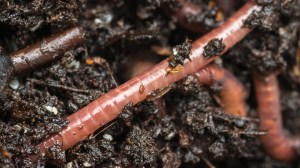
Could Red Wiggler Worms Eliminate Stinky Campground Toilets?
The least fun part of summer camping? Smelly toilets. But a scent-free future may lie with a humble worm.
Deciding the Fate of Myanmar’s Forests
After decades of overharvesting, Myanmar’s forests teak are at a crisis point. But with recent political change comes great opportunity.
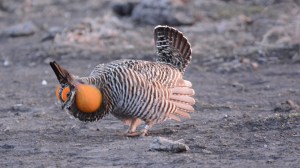
Could Prairie Chickens Come Booming Back?
Prairie chickens were once so abundant in the Great Plains that they were hunted for the market and shipped by the trainload to New York City. Could prairie restoration bring them booming back?
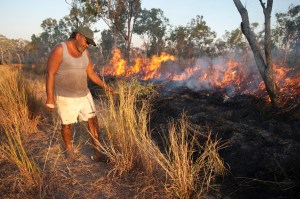
New Research: Savanna Burning for Global Emissions Reductions
New research from The Nature Conservancy demonstrates that savanna fire management has the potential to significantly reduce greenhouse gas emissions.
Making Nature’s Value Visible (To All): Coral Reef Edition
To all the benefits of coral reefs, add one more: flood reduction. Without coral reefs, annual global damages from flooding would double.

Recovery: New Life in Coal Country
Acid mine drainage devastates streams, but there are surprising efforts underway in Coal Country.
Solving (Part of) the Urban Forest Paradox
Power to the Trees: New research from TNC and NASA shows targeted urban reforestation efforts can provide meaningful public health benefits in terms of reduced mortality and morbidity.

Tracking the Three-Legged Snow Leopard
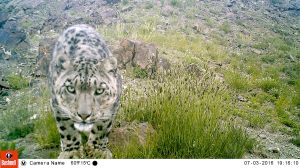
Nature Conservancy scientists are collaring snow leopards in western Mongolia to help limit livestock predation and protect these rare cats.
Giving Back to the Ocean: Citizen Science for Clean Water
Poor water quality in Hawaii's oceans degrades corals, threatening the fish and other creatures (including people) that rely on them. A dedicated group of citizen scientists gather water samples from 48 monitoring sites off the coast of Maui.
