Discover stories in Uncategorized
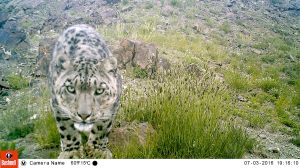
Tracking the Three-Legged Snow Leopard
Nature Conservancy scientists are collaring snow leopards in western Mongolia to help limit livestock predation and protect these rare cats.
Curlews for Conservation: Tracking a Migratory Grassland Bird
Long-billed curlews are kings of camouflage, but tracking them reveals their nesting and migratory habits.

Giving Back to the Ocean: Citizen Science for Clean Water
Poor water quality in Hawaii's oceans degrades corals, threatening the fish and other creatures (including people) that rely on them. A dedicated group of citizen scientists gather water samples from 48 monitoring sites off the coast of Maui.

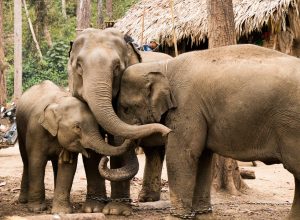
Poachers Are Killing Asian Elephants for Their Skin
Already besieged by habitat loss, Myanmar’s wild elephants face a new threat — poachers who hunt them for their skin.
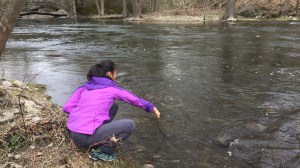
Aquanauts Join Forces with The Nature Conservancy to Monitor River Restoration!
In preparation for the removal of the Columbia Lake Dam and restoration of the river, the Aquanauts and The Nature Conservancy team up for a citizen science monitoring project.
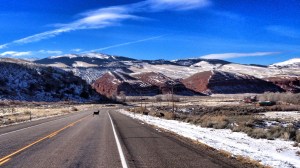
Can White Canvas Bags Reduce Deer-Vehicle Collisions?
Researchers testing the effectiveness of wildlife reflectors find a surprising new tool in reducing deer-vehicle collisions.
Bird Advisor: One Intrepid Birder Reviews Historic Sites
Hugh Possingham is bird obsessed, while his wife Karen loves world history. Read on for their reviews of seven world heritage sites... which may or may not be good for birds.
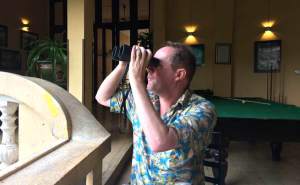
A Bird Blitz for Nature Conservancy Lands and Waters
The second Conservancy-wide Bird Blitz launches, counting birds on Conservancy-protected lands and waters.

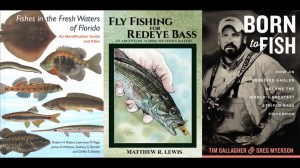
Review: Fishing and Conservation
Three great new reads and references for angler-conservationists.
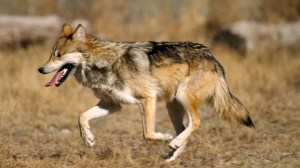
Recovery: Transition of the Zoo from Jail to Ark
Some still deride zoos as “prisons” – but in reality they have become an important force for conservation.
What is Permafrost?
With global climate change, the northern latitudes are warming on a large scale, and permafrost soils have begun to thaw at an unprecedented rate.

Engaging High Potential Communities in Urban Nature Conservation
How can international conservation groups like The Nature Conservancy engage authentically in highly localized, nuanced urban spaces? The results of a spatial and socioeconomic analysis have been published in Conservation Letters.
