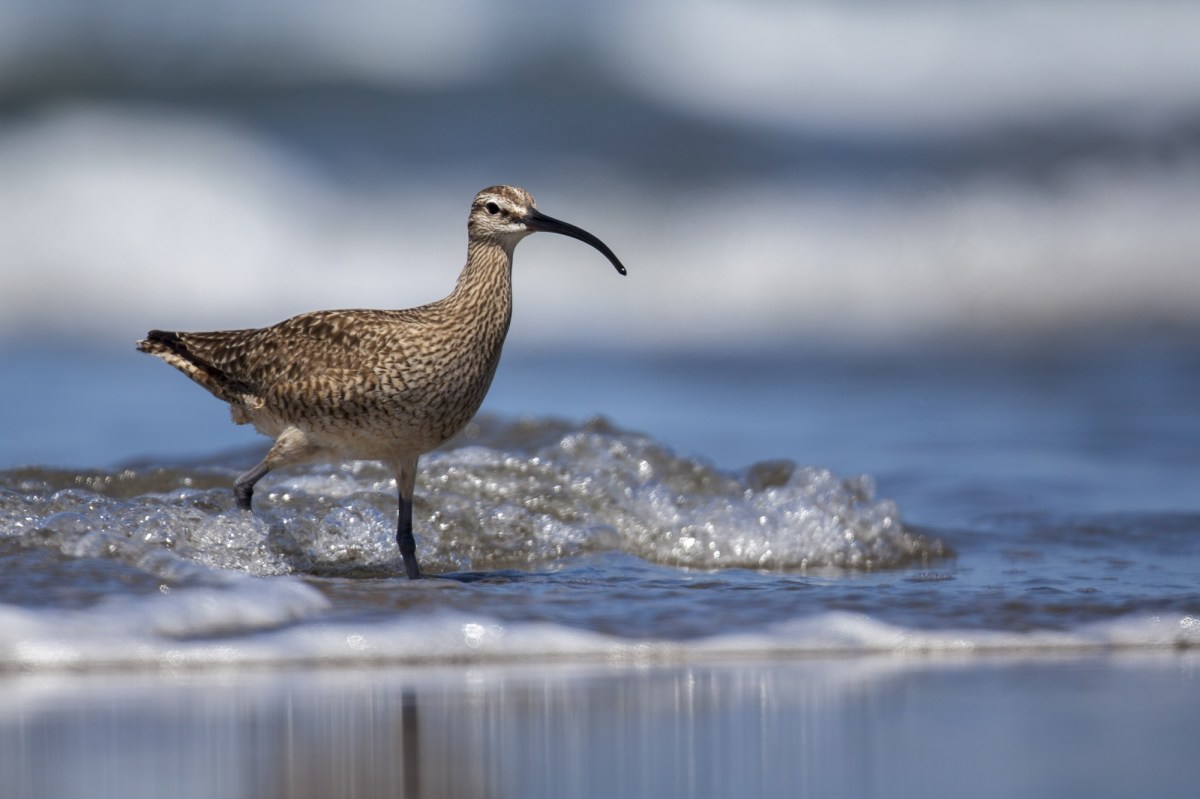
The birds are gone now.
Just a few weeks ago, visitors lined Virginia’s Eastern Shore, binoculars pointed skyward as Whimbrels gathered along the coast before continuing one of the most remarkable migrations in the bird world. By late May, many had departed, leaving behind quiet mudflats and a question that has fascinated scientists and birders alike:
Where do they go next?
Today, thanks to tiny GPS transmitters and an international network of researchers, we no longer have to wonder.
The Whimbrels that stopped here this spring are now scattered across sub-Arctic and Arctic breeding grounds thousands of miles away. Yet their story, and the conservation efforts protecting them, continues long after migration season ends.
Every spring, thousands of shorebirds descend upon Virginia’s Eastern Shore. For a few brief weeks, tidal flats and coastal marshes become critical refueling stations for birds undertaking some of the longest migrations on Earth. Among them is the Hudsonian Whimbrel, a large shorebird recognized by its distinctive down-curved bill and remarkable annual journey between South America and sub-Arctic and Arctic breeding grounds.
To most people, these birds appear only briefly before disappearing northward. To scientists, they tell a much larger story. That story is one of migration, international conservation, and a growing effort to understand how birds connect ecosystems across an entire hemisphere.
At the heart of much of this work is The Nature Conservancy’s Volgenau Virginia Coast Reserve (VCR) Migratory Bird Program. While Whimbrels are one of its flagship research species, the program combines long-term monitoring, cutting-edge tracking technology, habitat management, and international collaboration to better understand and conserve migratory birds and shorebirds throughout their annual cycles.
A Bird Built for Travel
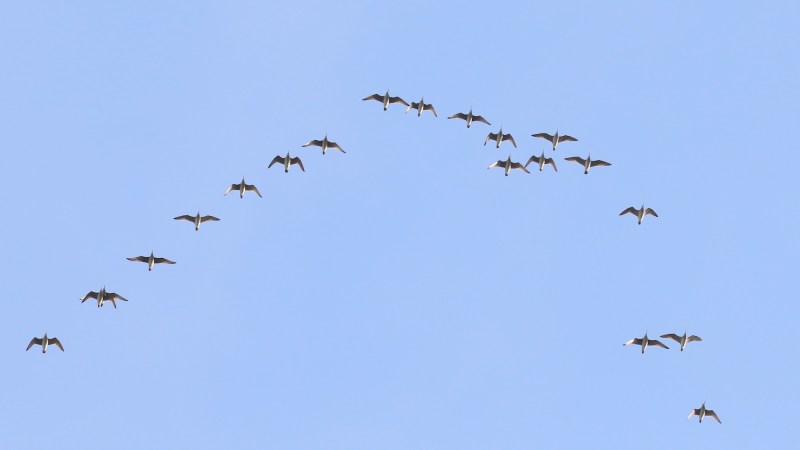
Whimbrels occur across much of the globe, but the birds that stop along Virginia’s Eastern Shore each spring are Hudsonian Whimbrels, the species found throughout the Americas. Their migratory network stretches from South America to Arctic breeding grounds.
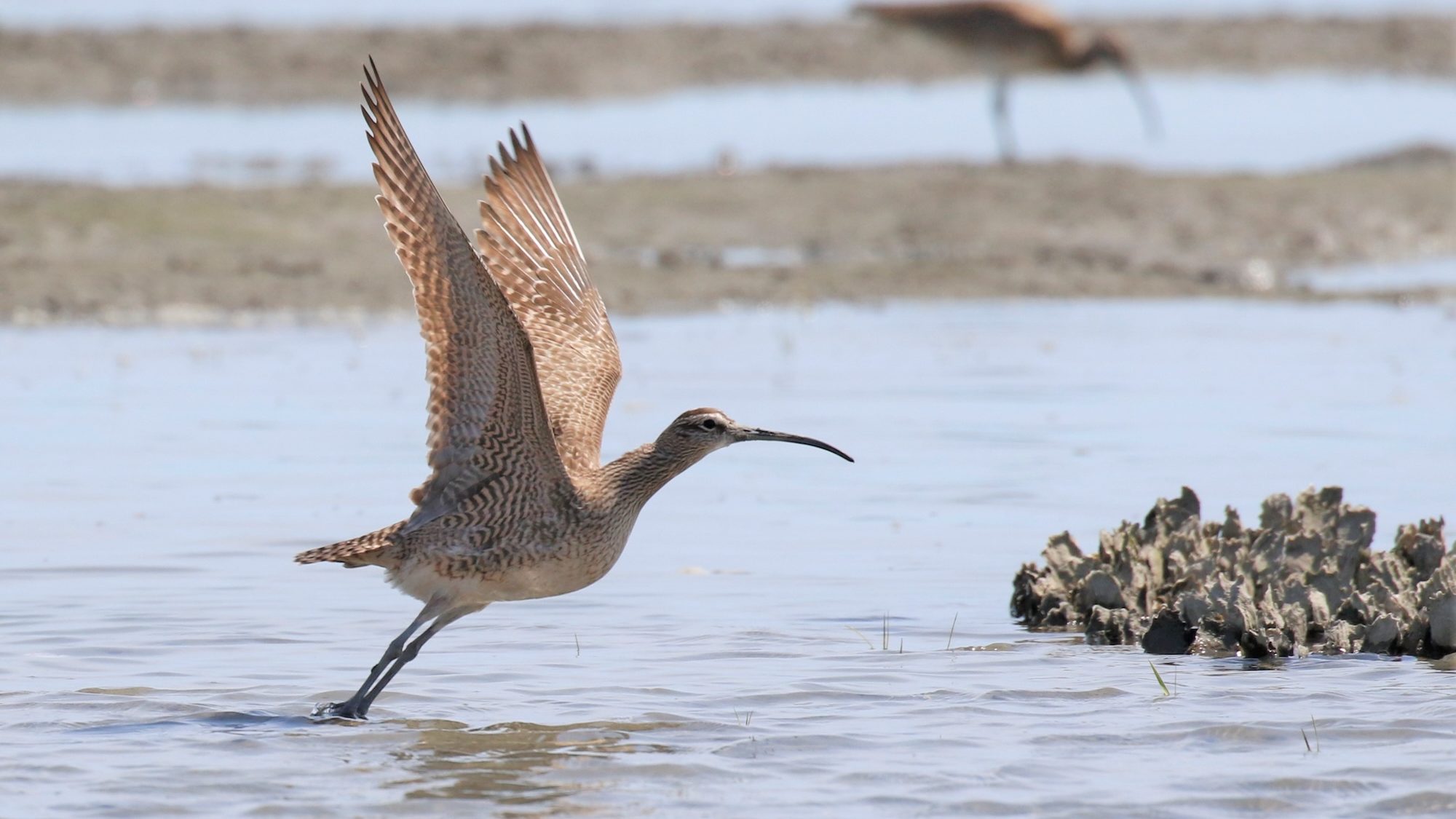
Their long, curved bills are perfectly adapted for probing mud and sand in search of crabs and other prey. But what makes Whimbrels particularly remarkable is not how they feed, but how far they travel.
“They’re known for their migrations,” explains Alexandra “Alex” Wilke, a coastal scientist with The Nature Conservancy’s Volgenau Virginia Coast Reserve.
Each spring, Whimbrels arrive on Virginia’s Eastern Shore during a narrow migration window, typically from late April through mid-May. Here, they spend several weeks feeding and replenishing energy reserves before continuing north to sub-Arctic and Arctic breeding grounds.
By late summer, many begin the journey again.
For these birds, stopover habitats are not optional. They are essential.
“Something can happen to the habitat at any point in their life cycle,” Wilke says. “That’s why conservation has to occur across the entire migratory network.”
Why Virginia Matters
The Virginia Coast Reserve serves as one of the most important staging areas for migrating Whimbrels in the Western Hemisphere.
After flying thousands of miles, the birds arrive on the Eastern Shore to feed intensively before making the next leg of their journey.
The timing is remarkably precise.
Researchers know that migration peaks during a relatively short period in May, with major departures often occurring around the end of the month. During that brief window, large numbers of birds can gather in protected coastal habitats.
For conservationists, these concentrations provide a unique opportunity to study migration and monitor population trends.
For the birds, the habitat can mean the difference between a successful migration and a failed one.
Habitat loss and degradation remain significant challenges for migratory shorebirds worldwide. Because Whimbrels rely on a chain of sites spread across continents, problems at any point along the route can affect the population.
The challenge facing conservationists is understanding those connections.
Following Birds in Real Time
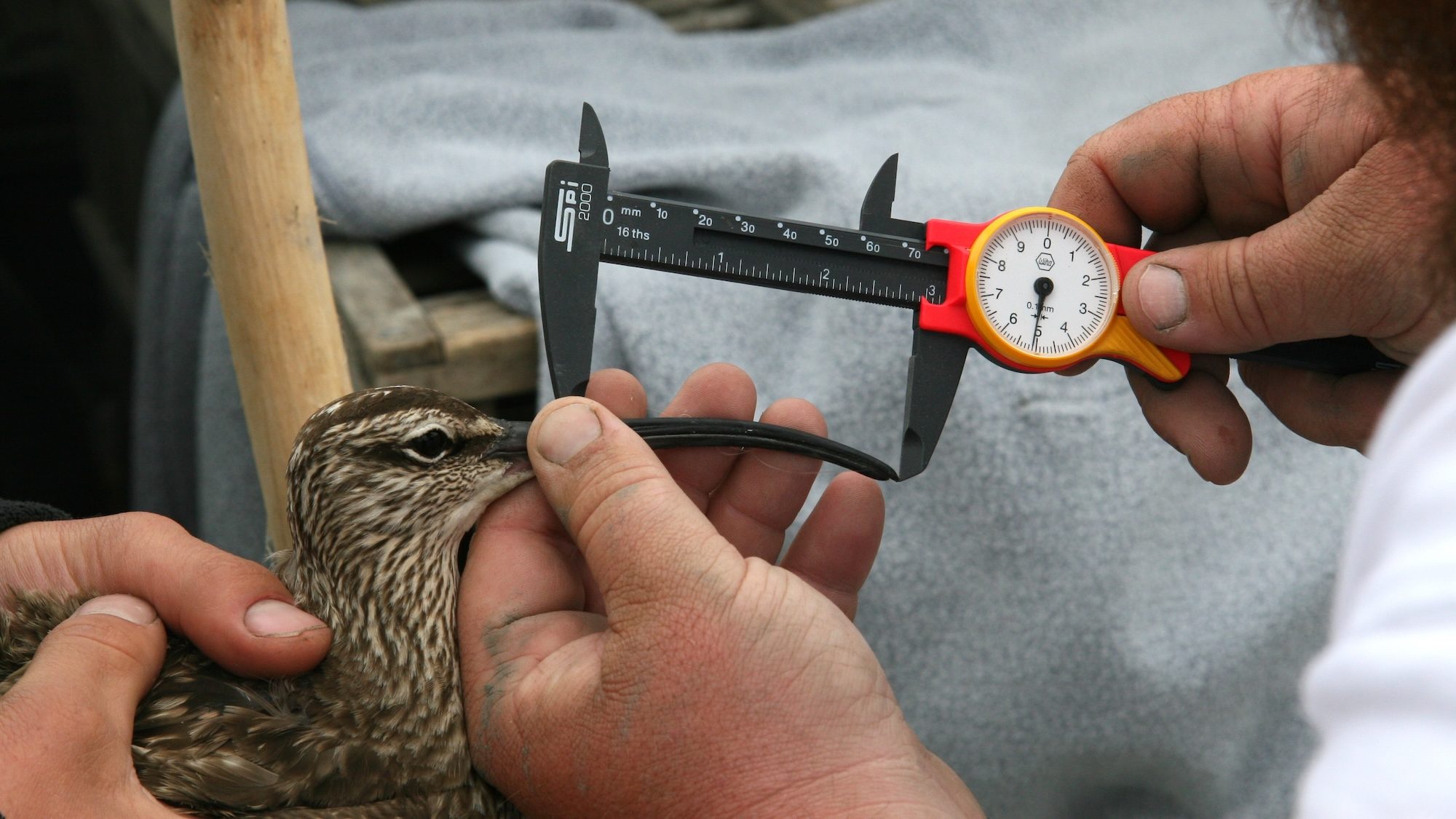
For years, researchers relied heavily on bird banding to understand migration.
Banding remains valuable, but it depends on someone finding the bird again.
Today, scientists have another tool.
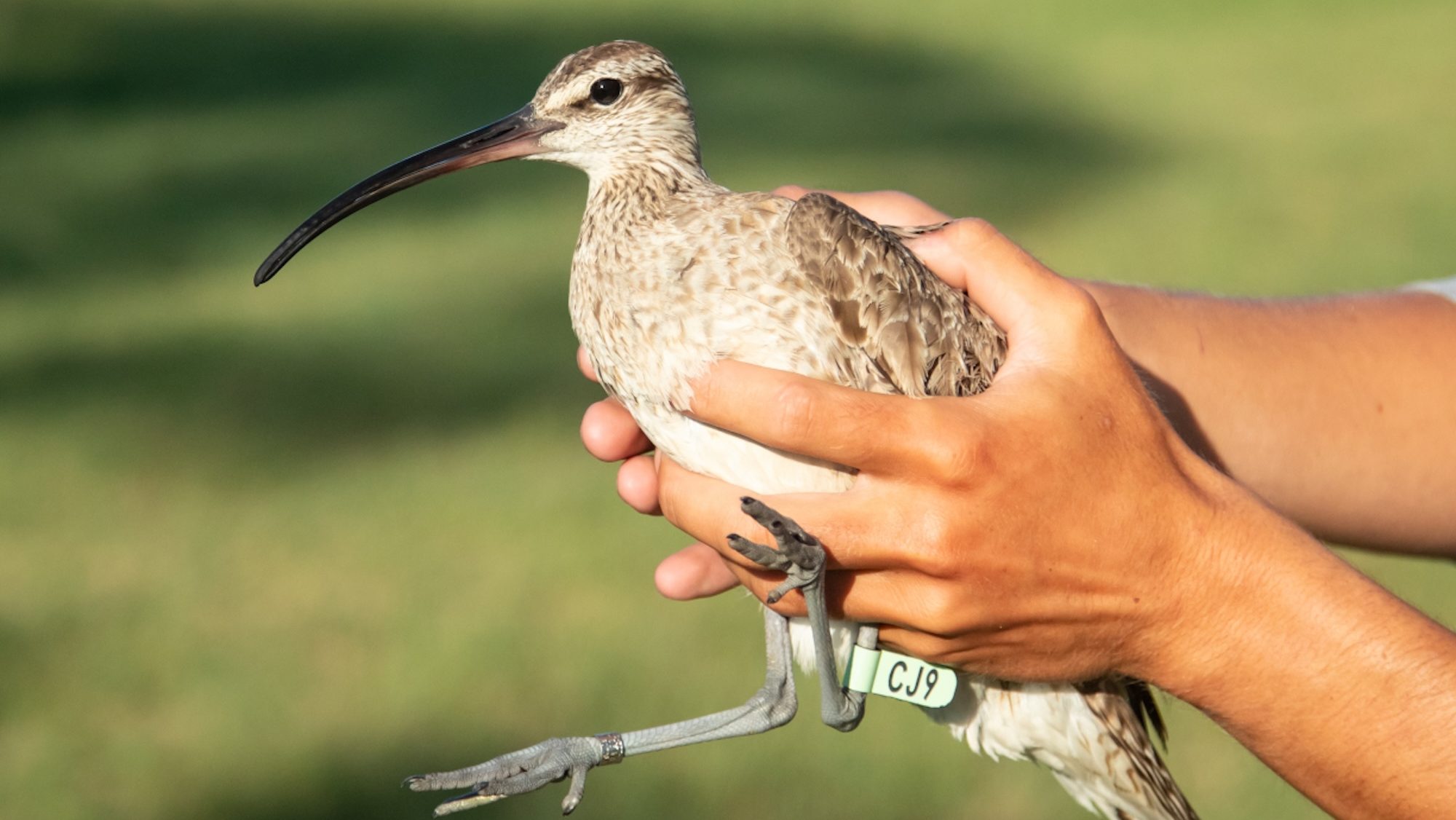
Much of this work is led through VCR’s Migratory Bird Program, where researchers study multiple migratory bird species using a combination of long-term monitoring, field research, and emerging technologies. For Whimbrels, tiny GPS transmitters have transformed what scientists can learn about migration.
“We can see where these birds are going over the course of years,” says Mario Balitbit, a Migratory Bird Specialist who now works full-time with shorebird conservation efforts on Virginia’s Eastern Shore.
Modern GPS units collect location information and transmit data through cellular networks when birds move within range of a tower. The result is an unprecedented view of migration.
Researchers can follow birds as they leave Virginia, cross the Atlantic, move toward Bermuda, arrive at Central and South American wintering grounds, and begin their return journeys months later.
The data reveal not only where birds travel but also how high they fly, how quickly they move, and which habitats they depend upon.
Each tagged bird provides another piece of the puzzle, offering new insights into a species that spends much of its life far beyond the reach of human observers. While this story focuses on Whimbrels, the same tools and collaborative approach are helping researchers better understand many other migratory bird species that depend on Virginia’s coastal habitats during their annual journeys.
Conservation Without Borders
The technology has also revealed something else. Shorebird conservation cannot be accomplished by any single organization, state, or country.
A Whimbrel feeding in Virginia today may nest in the Arctic in a matter of weeks. Months later, that same bird could be using habitats thousands of miles away in South America or the Caribbean.
To coordinate conservation efforts, researchers and organizations have formed partnerships such as the Whimbrel Working Group, bringing together scientists and conservation practitioners from across the species’ range. The goal is simple but ambitious: connect information collected across the hemisphere and use it to better protect the species.
As researchers learn more about migration routes and habitat needs, they can identify areas that are especially important for conservation. In some cases, tracking data have revealed threats that otherwise would have gone unnoticed.
Researchers have documented instances where tracked birds were hunted during migration, highlighting conservation concerns and helping inform management decisions.
Every migration track tells a story. Together, those stories help scientists understand how populations are connected and where conservation investments can have the greatest impact.
Barry Truitt / TNC
Bringing People Into the Story
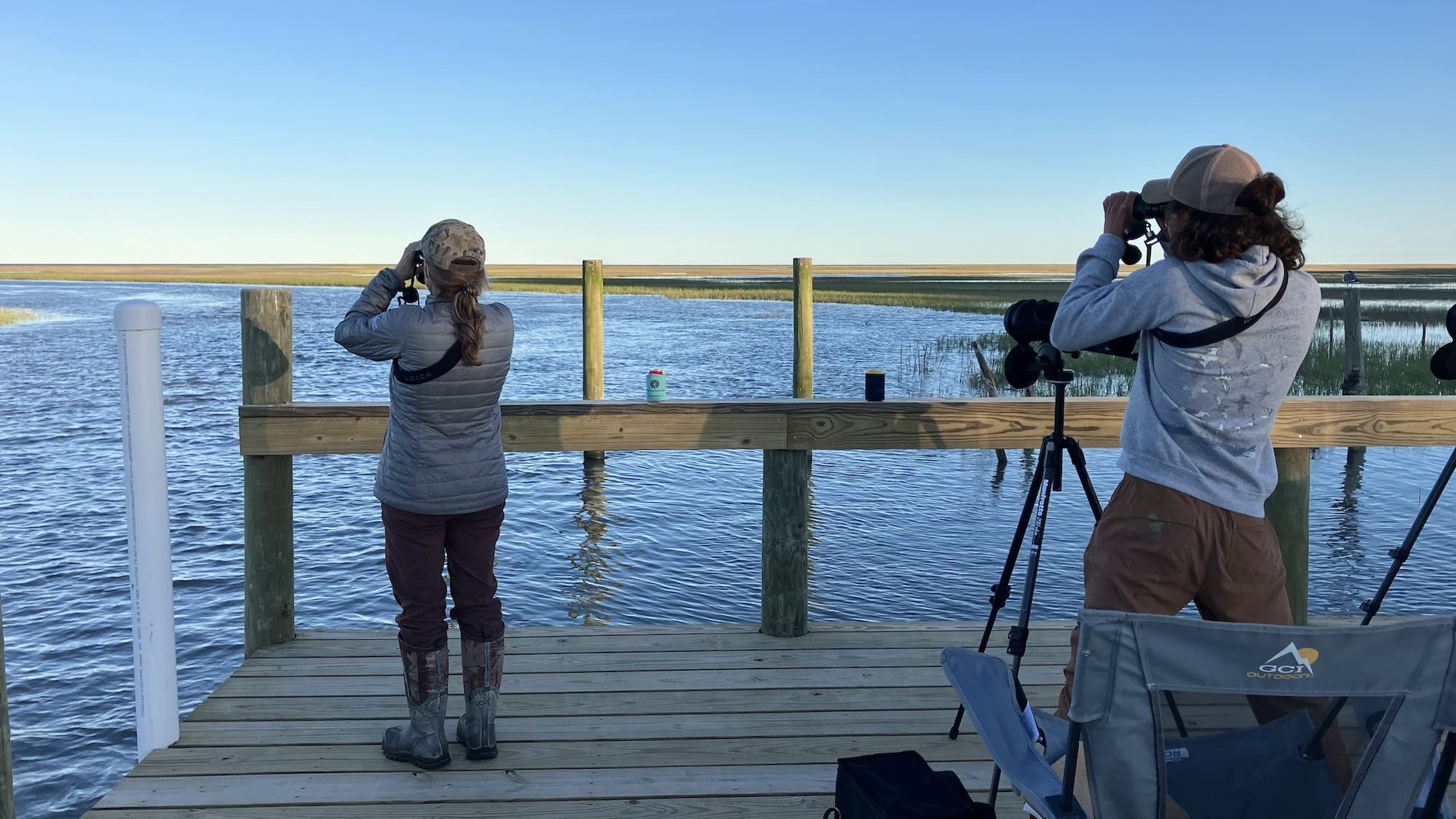
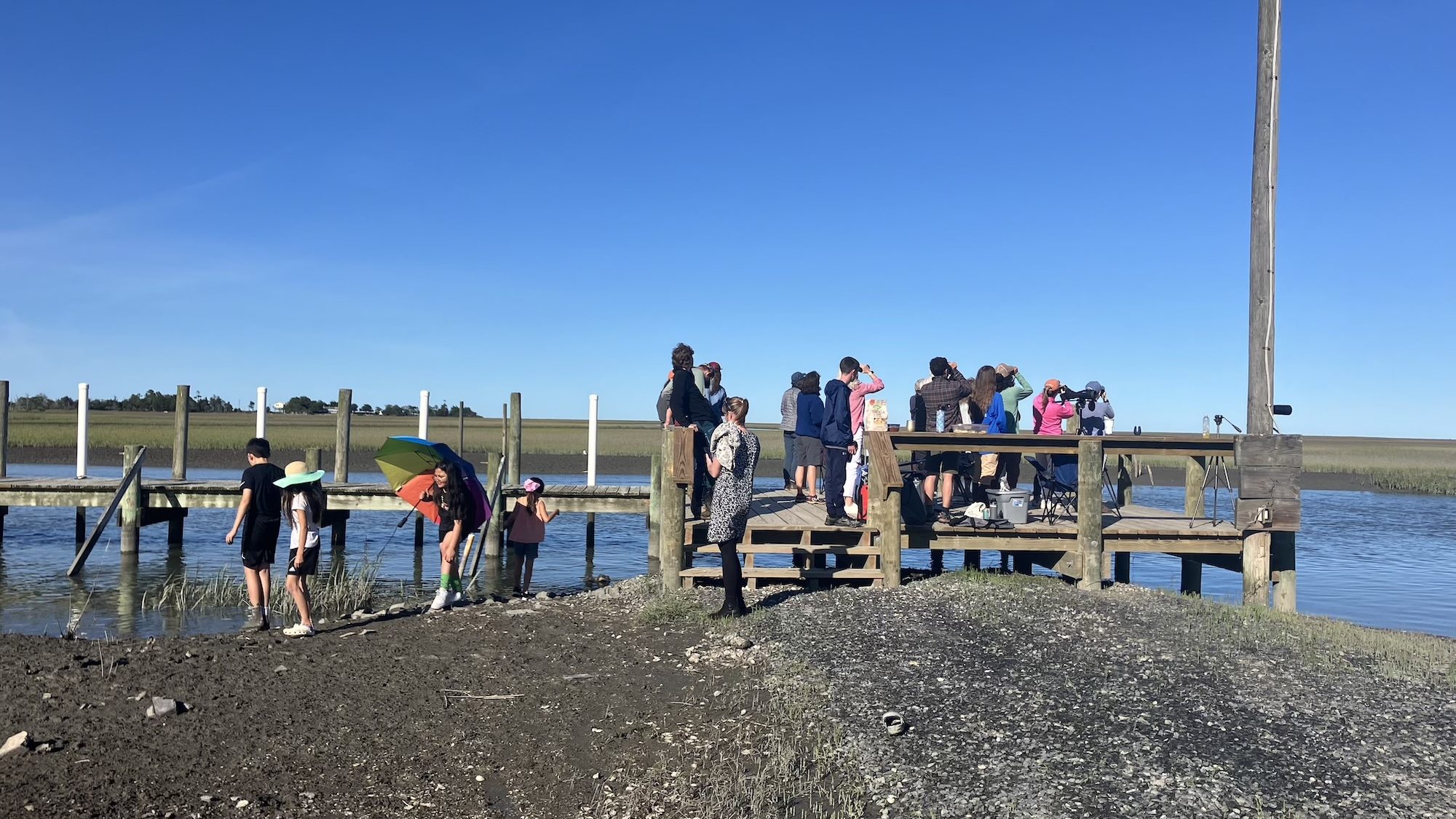
The science is only part of the appeal. Every spring, the Volgenau Virginia Coast Reserve hosts Whimbrel Watch, a public event that allows visitors to witness one of nature’s great migrations. Participants gather along the Eastern Shore to observe birds moving through the region while learning directly from researchers and conservation practitioners.
The experience has been compared to a “departure of cranes,” with flocks calling overhead as they begin the next stage of their journey north.
For many participants, it is their first introduction to shorebird migration. For scientists, it provides an opportunity to connect people with conservation in a tangible way.
The event has grown into more than a birdwatching experience. It serves as a bridge between research, conservation, and community engagement. Visitors can learn about migration, meet researchers from VCR’s Migratory Bird Program, follow tracked birds online, and see how local habitats connect to ecosystems thousands of miles away.
In a world where environmental challenges often feel distant, Whimbrel Watch offers something different: a chance to witness conservation in action.
A Story Still Being Written
Despite decades of research, scientists continue to learn new things about Whimbrels. Every migration season brings fresh information. New technologies reveal previously unknown migration routes. Partnerships continue to strengthen conservation efforts across the hemisphere.
What surprises researchers most is how much remains to be discovered. The more scientists learn about migration, the more they uncover connections among habitats, populations, and life stages that once seemed separate.
A bird feeding quietly on a Virginia mudflat may soon be crossing oceans, flying over international borders, or nesting on Arctic tundra.Its journey links communities, ecosystems, and conservation efforts across half the globe.
Soon, readers will also be able to explore these remarkable migrations through an interactive StoryMap developed by the VCR team. Combining GPS tracks, maps, photographs, videos, and the stories behind individual birds, the StoryMap will provide an immersive look at how migratory birds connect habitats, communities, and conservation efforts across the hemisphere and why protecting every stop along their journey matters.
The birds may leave Virginia each spring, but thanks to modern tracking technology, their story is one we can continue to follow wherever it leads.

Join the Discussion