It’s hardly an unusual beach sight: a gull circles overhead and dips towards the water. Such a bird captured Nicole Craig’s attention, perhaps even altering the course of her life.
She recalls staring out to sea as a child, observing the gull as it dipped into the water. “I have a clear memory of the gull feeding on a fish,” she says. “I wondered about that moment. I wanted to know what it was like to be a fish. I never really deviated from that. It started a spiral of curiosity.”
Her love of Belize’s coral reefs and marine habitats led her on a career as a marine biologist and singer-songwriter. Craig is now reef resilience specialist for The Nature Conservancy in Belize, where she helps develop solutions and contribute science to ensure a future for these environments.
When I spoke to Craig, she had just returned from maternity leave, and reflected on the Belize she wants her newborn son to know.
“I don’t want to tell my son what the reef used to be like,” she says. “I want to take him to the reef and show him the wonder that is there. I want him to know that all the life on the reef is still running free and beautiful.”
She tells me The Nature Conservancy’s science and innovative partnerships are working towards just such a future.
Challenges and Hope on the Mesoamerican Reef
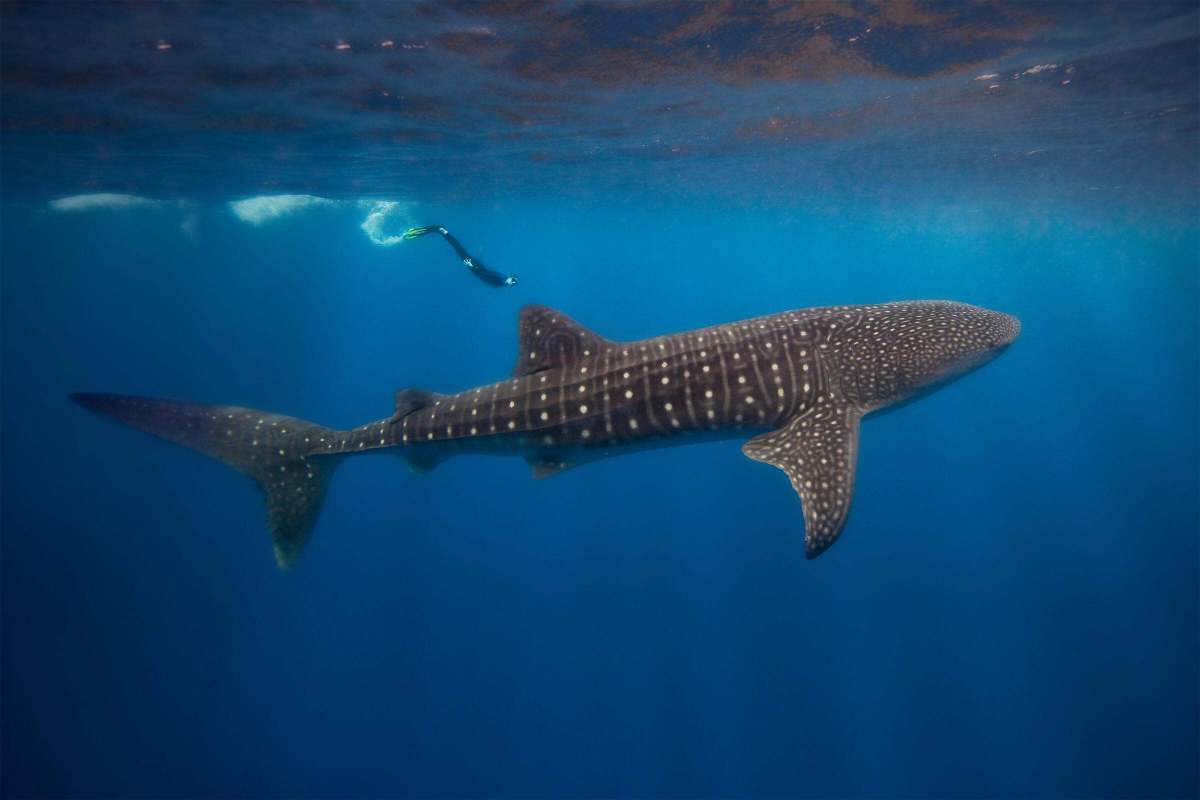
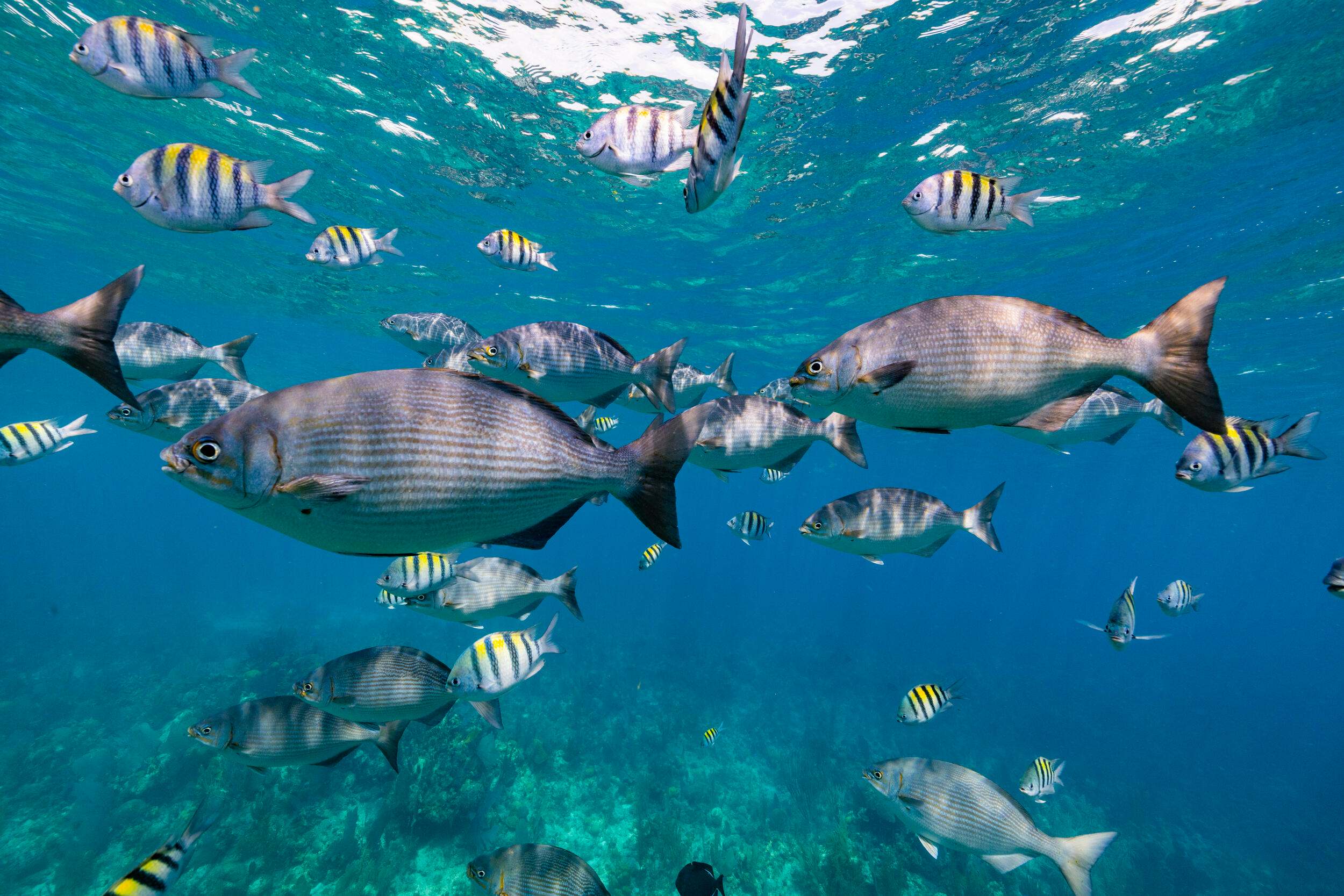
Belize lies within the Mesoamerican Reef, the world’s second largest barrier reef system. More than 1,400 species rely on this reef. So do local communities, who look to the reef for coastal protection, fisheries and climate resilience. Snorkelers and divers come to the reef to swim among triggerfish, groupers, sharks and a myriad of other fish, in turn supporting a tourism industry.
But the reef, Craig says, faces significant challenges. Climate change leads to coral bleaching and coral diseases. Coastal development and pollution place additional stress on these marine systems.
Craig notes that Belizeans are committed to protecting and restoring reefs. The country has committed to 30 percent of its ocean space which includes top priority areas for marine and coastal biodiversity such as coral reefs. “We can really demonstrate to the world that we care about the environment,” she says. “People here understand the connection between the reef and their livelihoods and their lives.”
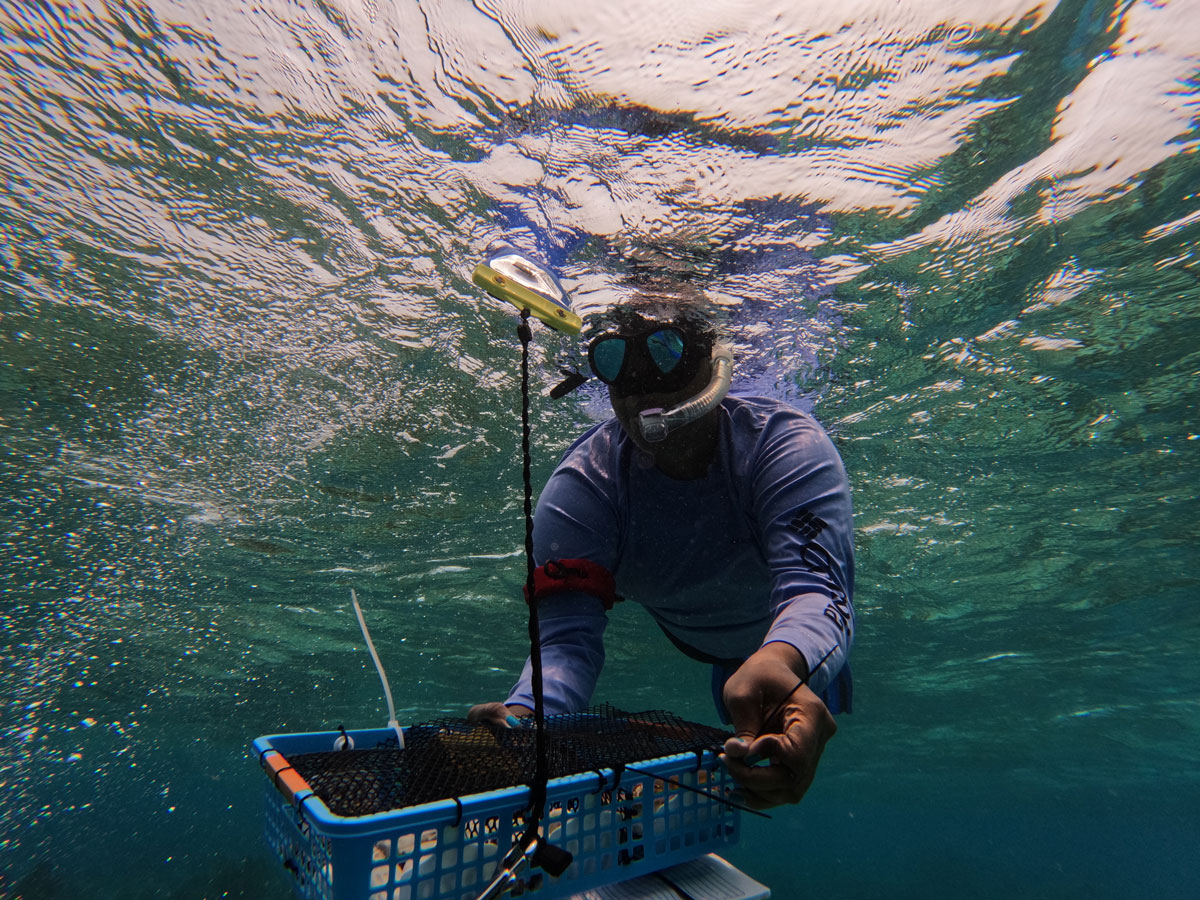
The Nature Conservancy has focused on contributing science that can shed light on the challenges reefs face, as well as practical solutions. One of those efforts is the Super Reefs project, an effort to find corals that are more resilient in warmer waters. Utilizing computer modeling, researchers identify areas likely to hold these resilient corals. Samples of these corals are then analyzed in labs for their ability to survive in a warming ocean, what Craig calls “stress testing.” These corals are then grown to use in restoring areas impacted by bleaching.
“We are finding the corals that can survive,” she says. “I like to think of it as we are searching the reefs for hope.”
The Nature Conservancy works in partnership with government and science partners to support the mapping of marine habitats, contributing to their integration into initiatives such as Belize’s marine spatial plan (known locally as Belize Sustainable Ocean Plan-BSOP). The organization is also using data and on-the-water science to guide where to restore, protect and invest, with an emphasis on the services these habitats deliver.
Everything is Connected
In everything Craig does, she emphasizes connection. You can’t protect the reef without thinking about the communities that rely on them. And she also emphasizes that the reef relies on a healthy, connected marine environment.
If the seagrass meadows and mangrove forests of Belize aren’t always visible to those beyond its shores, their importance is no less profound. Here on the Mesoamerican Reef, The Nature Conservancy is grateful for the support from Tiffany & Co., whose Love For Our Oceans initiative is helping protect and restore critical marine habitats.
By supporting efforts that safeguard seagrasses—vital nurseries for fish, conch, and seahorses—Tiffany & Co. is helping ensure a more resilient ocean where reefs, wildlife, and coastal communities can thrive together.
“When it comes to protection, you need to represent all habitats,” she says. Seagrasses provide vital nursery habitat, sheltering juvenile fish, conch and seahorses. Mangroves also provide habitat for many reef species while providing coastal protection from increasingly powerful storms.
“There would be no point in protecting the reefs if you cut down the mangroves,” Craig says. “Everything here is connected.”
Spreading the Story
Craig notes that effective conservation involves a lot of moving parts, from science to partnership building to financing to on-the-water restoration. And she also believes it involves love.
“I have had a deep love of the sea since I was a kid,” she says. “I find a lot of purpose in what I do. And I want to share that with others, whether it is through science or through using my voice.”
Like her connection to the ocean, her passion for singing began young. She sang in a church choir at age 6 and has been active in the music industry since the age of 18. Her voice is behind recognizable Belizean commercial jingles and television themes. Her debut solo album, How I Got Here, released last year. One reviewer called it “one of the most soulful and cohesive albums to come out of Belize.”
Craig sings of love and loss…in her life and in the environment. “I use my singing and songwriting to spread the story,” she says. “I’m happy to use my talents to help conservation.”
It’s part of that connectedness again: Craig sees her science work and her singing as working towards that larger vision of a healthy marine environment that protects people and nature.
“When I’m underwater, doing my job, it’s very humbling,” she says. “You find yourself thinking a lot when you’re underwater. You realize that there’s a lot happening on the reef that is independent of our world. I realize I am one living being amidst all these living beings.”
“That gives you a sense of awareness and of our responsibility,” Craig continues. “I’m proud to be an organization that takes that responsibility seriously, and works towards protecting what is so valuable to all of us in Belize.”
The Super Reefs initiative, a partnership among The Nature Conservancy, Stanford University, and the Woods Hole Oceanographic Institution, identifies, studies, and protects coral reefs with demonstrated tolerance to rising ocean temperatures across Belize, Hawaiʻi, and the Republic of the Marshall Islands. As part of a broader portfolio of climate‑resilient reef work in the Dominican Republic, the Bahamas, Palau, and Indonesia, the program integrates cutting‑edge science, local knowledge, and conservation action to locate reefs that have survived extreme heat waves and bleaching. By understanding the traits that confer resilience and applying those insights across regions, the initiative aims to safeguard coral ecosystems and the communities that depend on them in a rapidly warming ocean. Learn more about Super Reefs.
Join the Discussion