Using fine-scale measures of vegetation and air quality in Louisville, Kentucky, new research funded in part by The Nature Conservancy, shows that increasing greenness and reducing pollutants like nitrogen dioxide and ultrafine particles can boost native bird diversity while curbing invasive species.
The Gist
Across the globe, nearly half of all bird species are in decline. But even as rapid urbanization accelerates biodiversity loss, new research demonstrates that thoughtful and intentional urban conservation can create conditions where native birds and people thrive together.
While the benefits of urban greening are well-documented, few studies have examined how air pollution interacts with vegetation to influence bird communities—especially in residential neighborhoods. This study, published in Conservation Science and Practice, fills that gap by analyzing bird diversity and abundance across sites in Louisville, Kentucky.
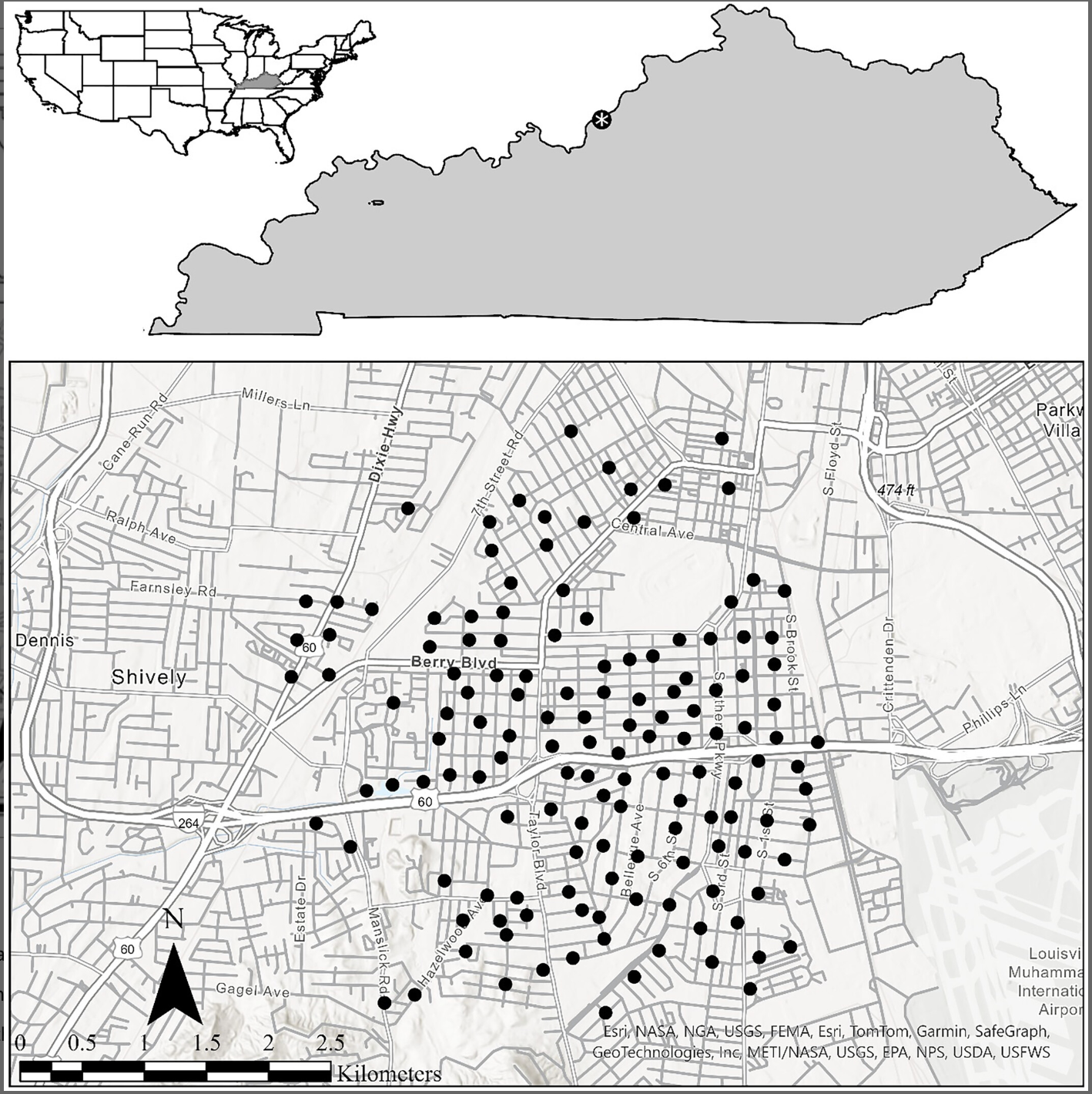
Researchers surveyed birds at 140 locations and combined those observations with detailed maps of vegetation and air quality. They measured “greenness” using tools like satellite imagery and 3D scans of tree canopy and tracked two common pollutants: nitrogen dioxide (NO₂), mostly from car exhaust, and ultrafine particles (UFPs), tiny bits of pollution from traffic and industry.
Key findings include:
- Green spaces make a big difference: Areas with more trees and plants supported more bird species and greater diversity, even within small distances (about half a city block).
- Pollution takes a toll: Higher levels of NO₂ were linked to fewer bird species and less diversity. UFPs also reduced the positive impact of greenery, making it harder for native birds to thrive.
- Native vs. invasive birds: Native species like robins and cardinals were most common in cleaner, greener spots. In contrast, invasive birds such as house sparrows and starlings dominated in places with less vegetation and more pollution.
The Big Picture
This research demonstrated the co-benefits between natural climate solutions aimed at mitigating localized air pollution and understanding the relationship on local flora and fauna, underscoring the interconnectedness of ecological systems and people. Birds, for example, are not only indicators of overall ecosystem health, they also provide critical services such as pest control and seed dispersal. Their decline signals broader ecological stress.
The study’s implications extend beyond Louisville. Urban neighborhoods nationwide face similar pressures from traffic-related air pollution and fragmented green spaces. By demonstrating that even small-scale greening (within 50 m) can significantly improve bird diversity—and that these benefits are amplified when air quality improves—the research offers a greenprint for cities seeking to balance development with biodiversity.
“This research is part of TNC’s Green Heart Project in Louisville,” notes Chris Chandler, director of TNC’s North America Cities Network. “Green Heart is a first-of-its-kind study to understand how urban greening can create healthier, more livable neighborhoods by reducing exposure to air pollution. This study added an important ecological dimension to this effort by demonstrating that greening cities benefited both people and ecosystems. Now that we have demonstrated positive human health associations and biodiversity indicators, the next frontier is understanding more about the mechanisms so we may maximize these outcomes through the design process. We envision a future where millions of people live healthier lives as this science is replicated, validated, and scaled to greening project all over the world.”
The Takeaway
Urban conservation is not just about planting trees—it’s about creating conditions where nature and people thrive together. This study shows that:
- Fine-scale greening works: Adding vegetation in small residential areas can boost native bird populations and reduce invasive species.
- Air quality matters: Lowering NO₂ and UFPs enhances the positive effects of greenness on bird species abundance.
- Partnerships drive impact: TNC’s investment in this research exemplifies how collaboration can deliver groundbreaking science-based strategies linking health as a key co-benefit.
For conservation practitioners and urban planners, the message is clear: nature is not a nice to have, it’s a must have, and science-based approaches deliver more results for people and nature. Incorporating nature not only supports bird communities but also contributes to cleaner air, healthier ecosystems, and improved human health and well-being for urban residents.
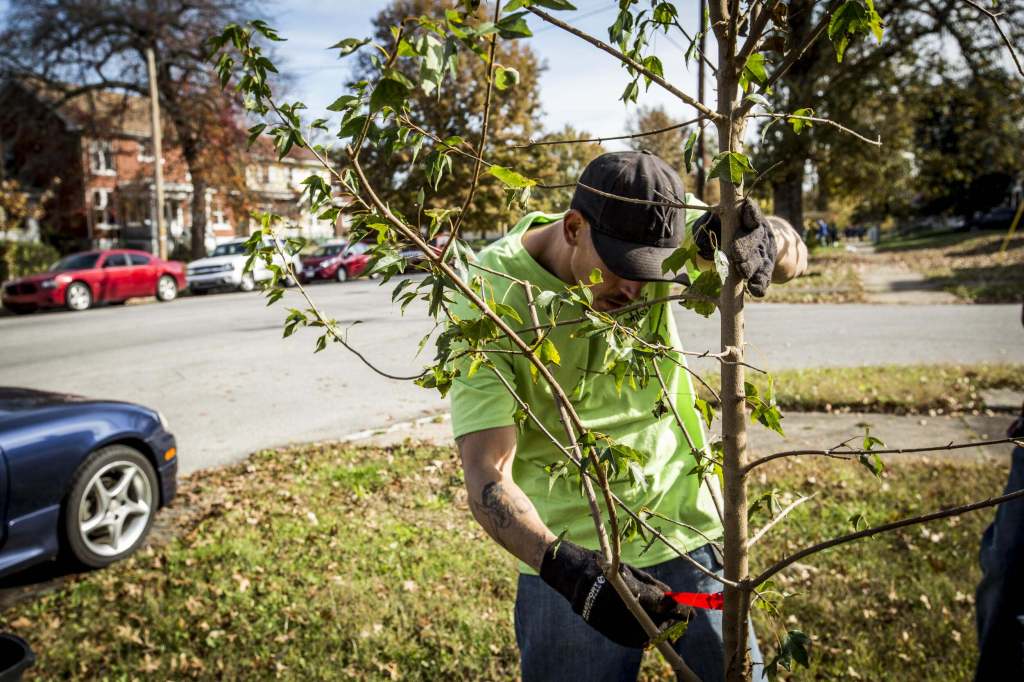
Launched in fall 2017, the Green Heart Louisville Project is a first-of-its-kind clinical study designed to test whether urban greening can measurably improve human health. Led by the University of Louisville’s Envirome Institute in partnership with The Nature Conservancy and community-based partners and the citizens of Louisville, the project worked with neighborhoods experiencing air pollution and a diminishing tree canopy to explore how adding greenery affects cardiovascular health, stress and well-being. After planting thousands of trees across a 4-square-mile area, researchers found that residents in greener neighborhoods had lower levels of C-reactive protein and other inflammation markers, signaling reduced cardiovascular risk. These results confirm the project’s core vision: urban greening can deliver tangible health benefits while creating healthier, more resilient communities.