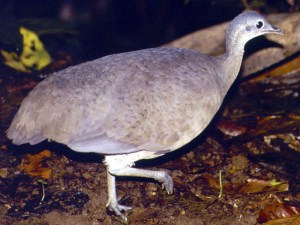
Discover stories in Uncategorized
Sea Turtles of St. Croix: Research Benefits Nesting Beaches
Nesting sea turtles have staged a dramatic comeback at a Nature Conservancy site on St. Croix. What's behind the success? Our blogger heads afield for a firsthand look at turtle research and monitoring.
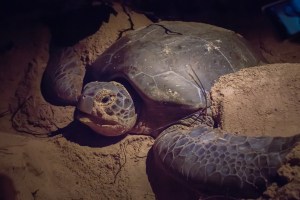
Infrared Technology for Wildlife Conservation
Infrared enables us to see minor variations in temperature, even from a distance or at night. See how this technology is revolutionizing conservation science.
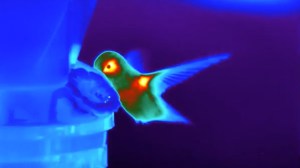
The Penguins of Boulders Beach
Forty years ago, Boulder Beach in South Africa had no penguins. Today, tourists flock there to see thousands of these charismatic birds. A conservation success? Not quite. The real story is a bit more complicated.
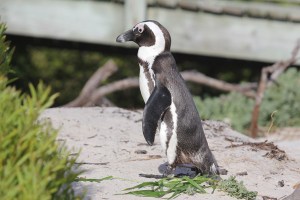
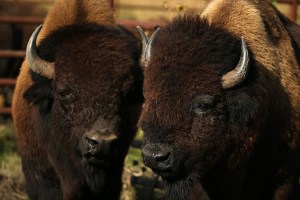
Bison Return to Nachusa: A Behind-the-Scenes Look at Reintroduction
Join our behind-the-scenes look at the science, restoration and planning necessary for a successful bison reintroduction.
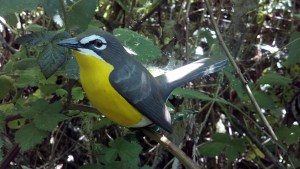
Decoy: How Fake Birds Aid Real Research
To get a bird in the hand, you have to catch it first. One of the bird researcher's most trusted bird catching tools is the decoy — a fake bird. Ornithologist Joe Smith on why real birds so often fall for their wooden and paper mache likenesses.
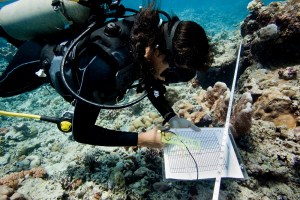
From Theory to Practice: Managing Coral Reefs for Resilience
Scientists and reef managers agree: the key to successful reef management is resilience. But how do you manage for resilient corals? It was hard to know. Until now.
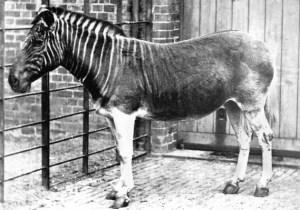
Quagga: Can an Extinct Animal be Bred Back into Existence?
In South Africa, there's an ambitious effort underway to restore the quagga. The one complicating factor? Quaggas have been extinct since the 1800s. Is this innovative conservation at its finest, or an expensive gimmick?
Safe(r) Spaces for Species under Climate Change
Climate change might change everything for conservation. How can we protect biodiversity as species move & adapt? New study says conserve "flexible" landscapes.
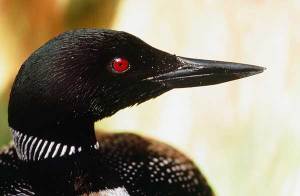
You Won’t Forget the Mega-Footed Malleefowl
Ever heard of a malleefowl? You’ll never forget it after reading about their big feet, huge nests, and chicks born fully feathered that can fly within 24 hours.
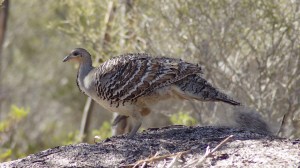
Enjoy the Fall Migration: Your Guide to Bird Observatories
The fall bird migration is underway. And there's no better way to enjoy the spectacle -- and help science -- than to visit a bird observatory near you. Ornithologist Joe Smith gets you started.
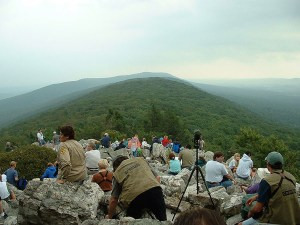
Tracking a Secretive Snake on the Prairie
The plains hog-nosed snake -- does it think it's a cobra, or a possum? Researchers are finding a lot of surprises tracking this mysterious grasslands creature on Minnesota's Chippewa Prairie, near a Nature Conservancy preserve.
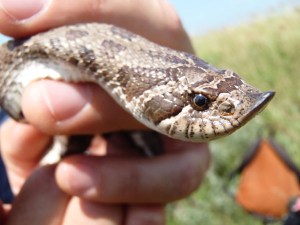
Diversify Your Species: New Paper from NatureNet Fellow Danny Karp
An encouraging study published in Science suggests farmers have the power to prevent a lot of species extinctions simply by adopting changes in their practices.