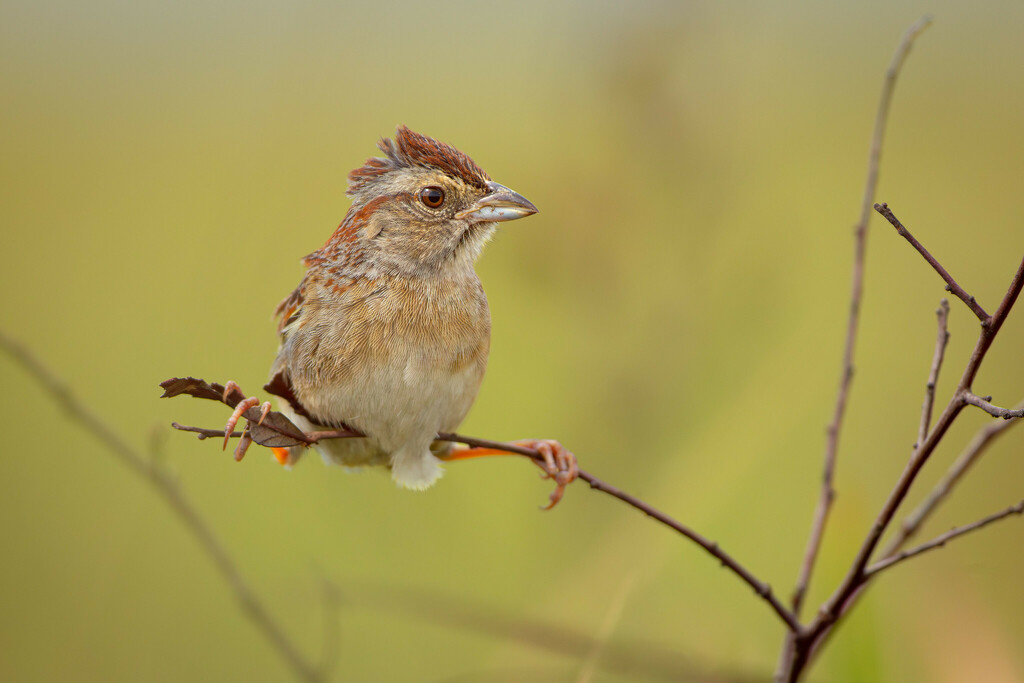
Even as summer settles across the Southeast and the chorus of spring begins to fade, one bird’s song continues to tell an important conservation story.
The first sign of spring in many longleaf pine forests isn’t something you see.
It’s something you hear.
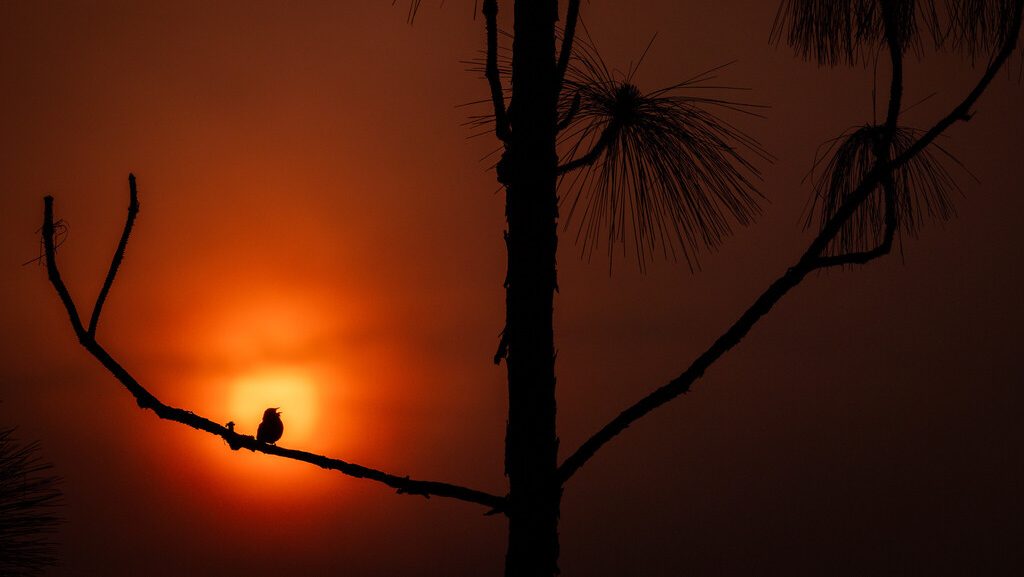
Long before most people spot one, a Bachman’s Sparrow announces itself from a patch of native grasses, delivering one of the first songs of the season. Small and easily overlooked, it has become one of the most important indicators of whether longleaf ecosystems are functioning as they should.
Yet despite its modest appearance, this sparrow tells a much larger story about fire, habitat restoration, and the future of conservation in the Southeast.
For Jeffrey Marcus, The Nature Conservancy’s North Carolina Longleaf Pine Applied Scientist, Bachman’s Sparrow is more than just another bird species. It is a window into the health of one of North America’s most iconic and threatened ecosystems.
A Bird Built for Longleaf
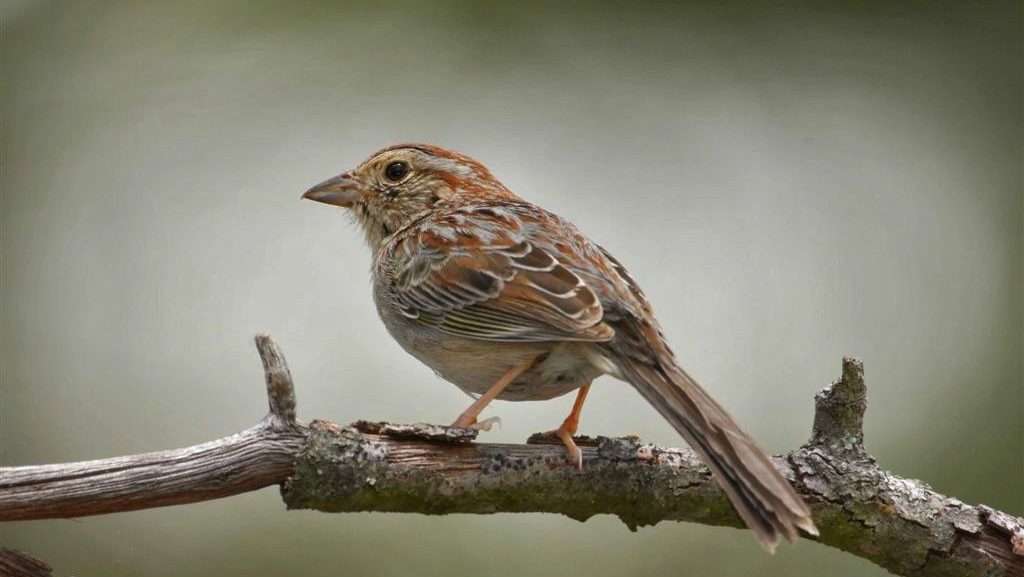
Bachman’s Sparrows evolved alongside longleaf pine forests, ecosystems that once stretched across millions of acres throughout the southeastern United States. Today, much of that landscape has been lost, but conservationists continue working to restore what remains.
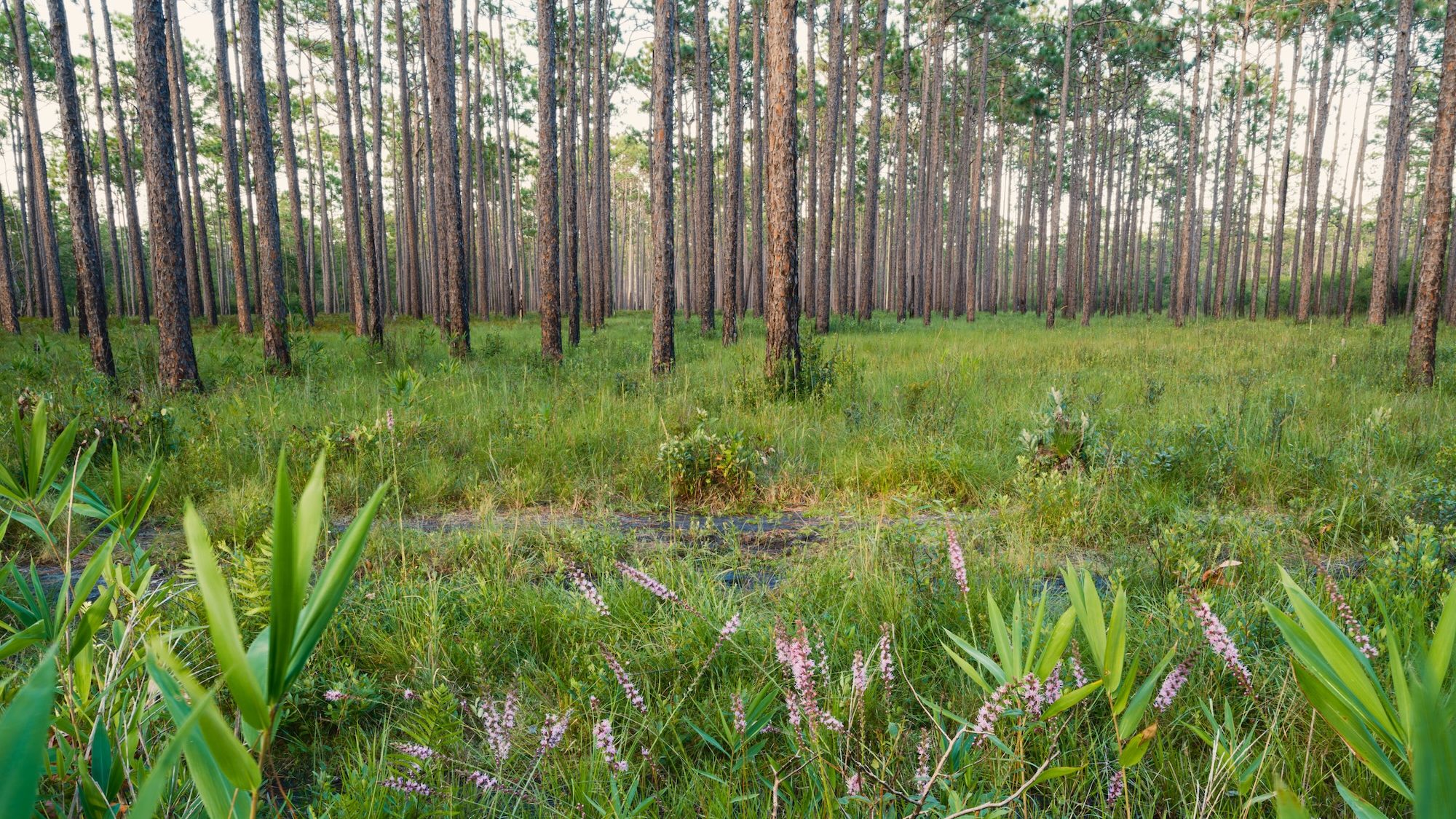
Like many grassland birds, Bachman’s Sparrows depend on a very specific habitat structure. They thrive in forests with dense herbaceous groundcover, including native grasses, wildflowers, small patches of low shrubs, and open spaces beneath mature pines. These conditions provide cover for nesting, foraging opportunities, and protection from predators.
The key ingredient is not simply pine trees.
It’s fire.
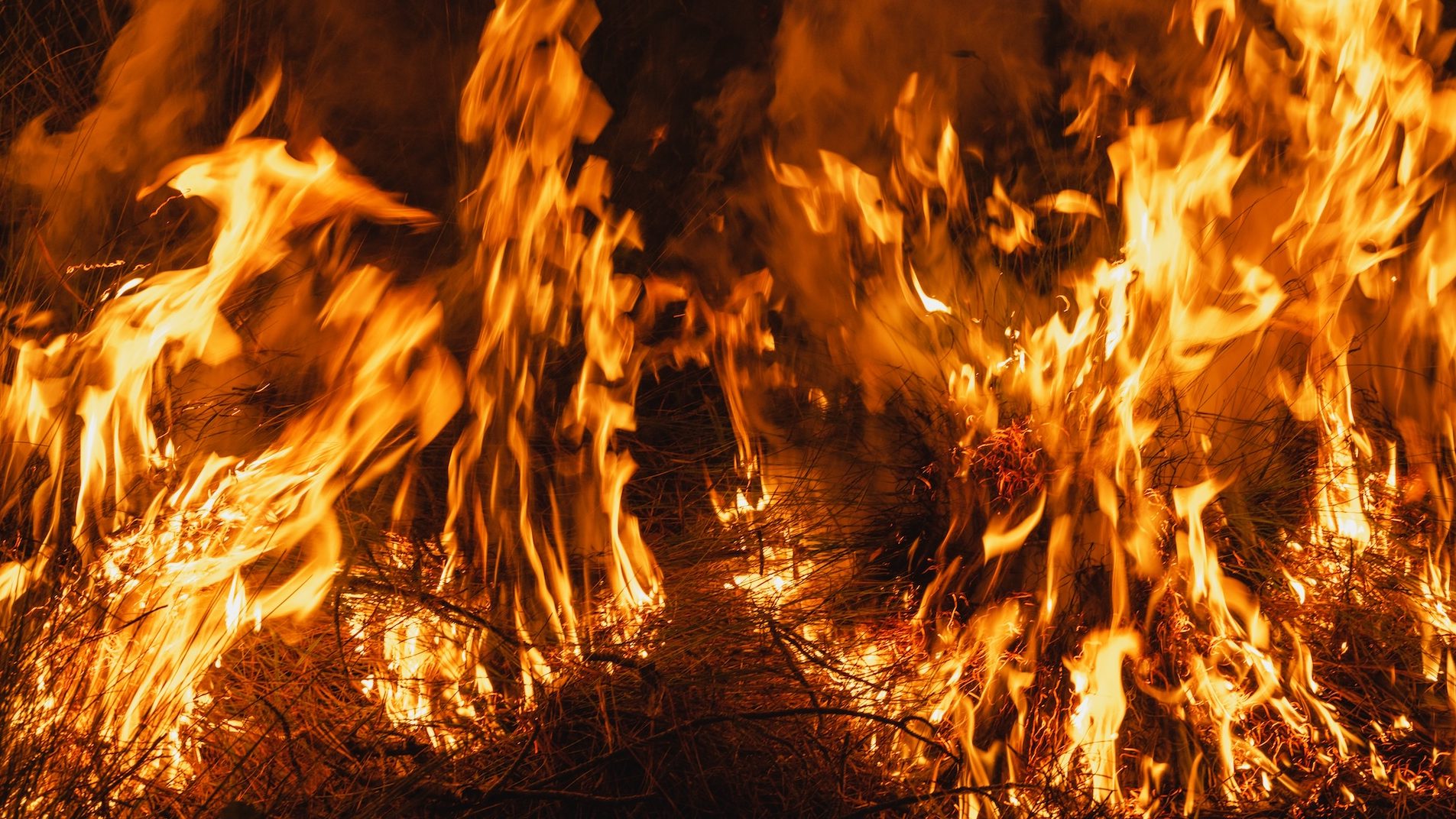
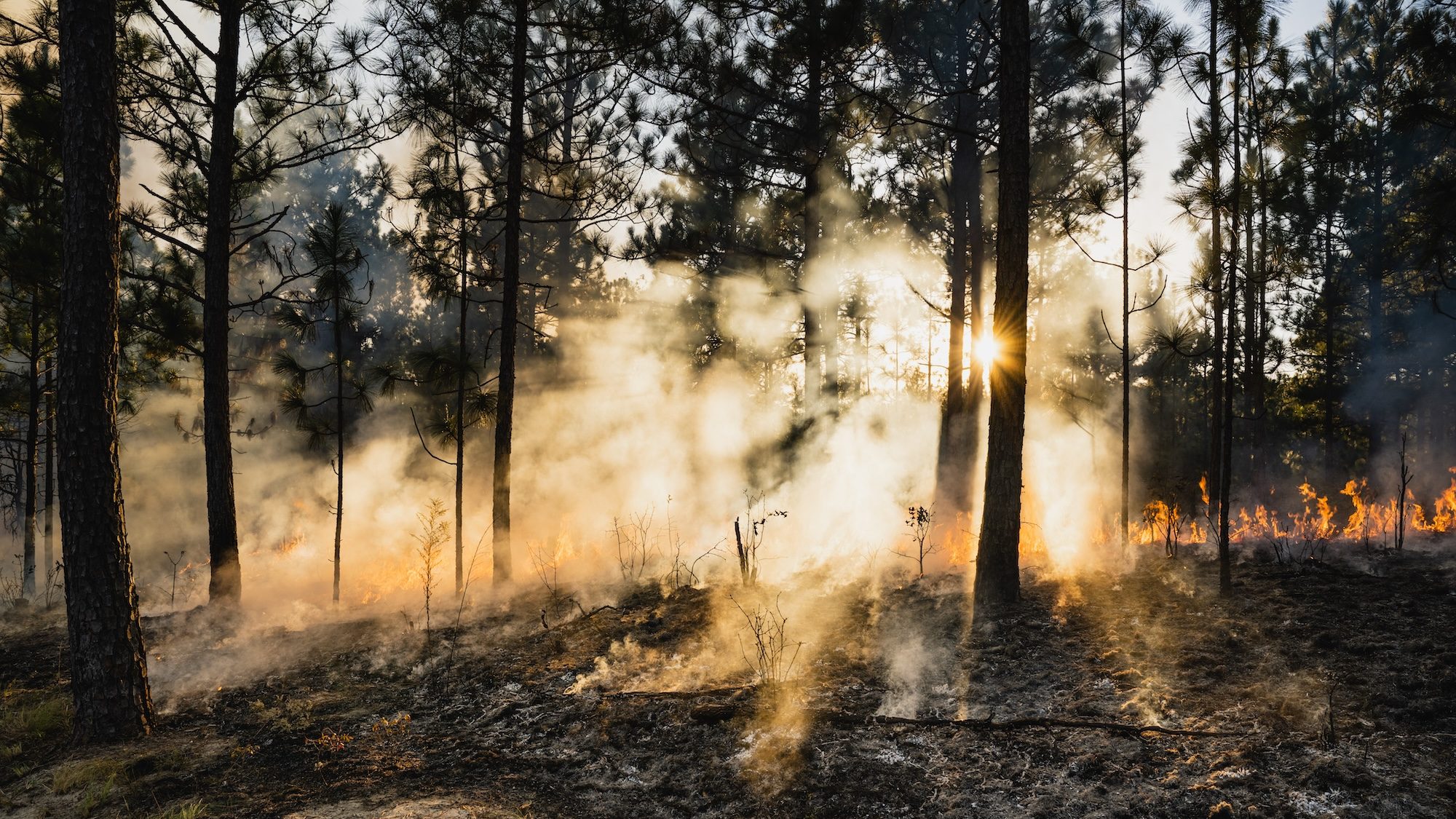
“Prescribed burning maintains the grassy structure these birds require,” Marcus explains. “Without regular fire, shrubs and woody vegetation begin to take over, eventually making habitat unsuitable.” Fire has shaped longleaf ecosystems for thousands of years. Regular burns prevent woody vegetation from overtaking the understory and allow native grasses and wildflowers to flourish. For Bachman’s Sparrows, these conditions create ideal habitat.
Researchers have found that habitat conditions are often best approximately 18 months to two years following a prescribed burn. After that, habitat quality begins to decline. In some areas, forests can become unsuitable within four or five years if fire is absent long enough for woody vegetation to encroach.
For Bachman’s Sparrows, fire doesn’t destroy habitat—it creates it.
Measuring Success One Song at a Time
Conservationists increasingly use Bachman’s Sparrows as indicators of restoration success. When longleaf forests are restored and fire returns to the landscape, sparrows often respond quickly. Their presence—and abundance—can reveal whether management actions are producing the desired ecological outcomes.
One monitoring effort documented a remarkable increase in sparrow abundance, with densities doubling from approximately one bird per survey location following habitat improvements. Those numbers matter because Bachman’s Sparrows provide a window into broader ecosystem health.
“The bird is a useful assessment tool,” Marcus says. “It helps us understand whether the habitat conditions we’re trying to create are actually being achieved.”
Because the species is so closely tied to healthy groundcover and appropriate fire regimes, its response offers conservationists immediate feedback on restoration efforts. In many ways, the sparrows become a measure not only of bird conservation, but of the condition of an entire ecosystem.
The Biggest Challenge Isn’t the Bird
Ironically, the greatest challenge facing Bachman’s Sparrows is not directly related to the birds themselves.
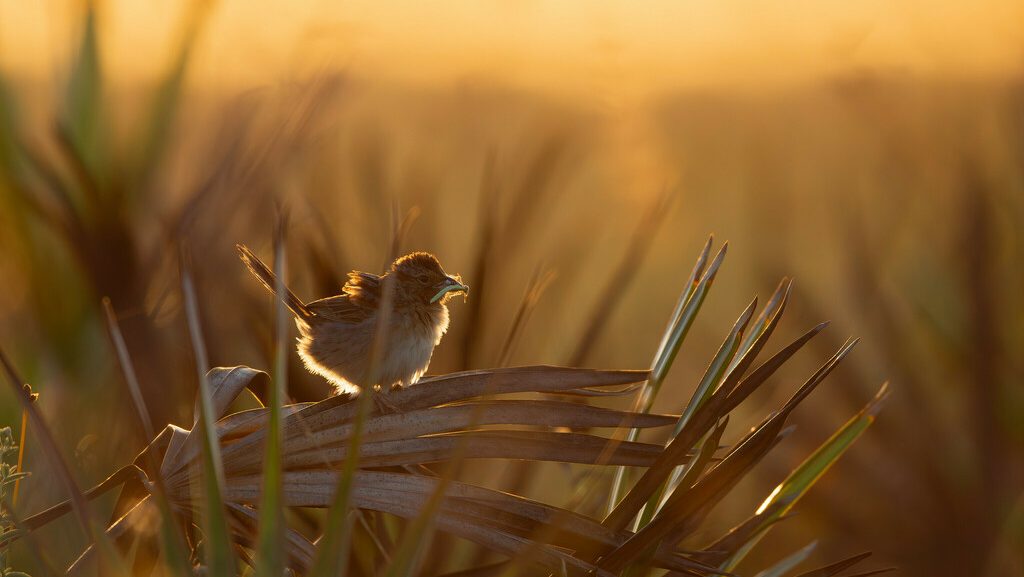
Across the Southeast, conservation organizations know what habitat conditions the species requires. The challenge lies in creating and maintaining those conditions at a meaningful scale. “There are a lot of things that have to come together to make Bachman’s sparrow habitat,” Marcus explains.
Prescribed fire requires trained personnel, specialized equipment, favorable weather conditions, and substantial planning. As restoration efforts expand, many organizations face a growing mismatch between conservation goals and the resources available to implement them.
Meeting restoration targets increasingly requires investments in fire crews, equipment, training programs, and partnerships among organizations. Many agencies and conservation groups are pursuing grants to expand prescribed-fire capacity. Others are developing collaborative approaches that allow partners to share equipment, expertise, and personnel.
The challenge is less about knowing what works and more about having the capacity to do it consistently across the landscape.
Conservation Happens Through Relationships
Much of the future of longleaf restoration depends on private lands. That means conservation starts with people. Landowners often care deeply about their forests and wildlife, but successful conservation partnerships require understanding what matters most to them. “Meeting people where they’re at is critical,” Marcus says.
For many landowners, conversations about habitat management begin not with Bachman’s Sparrows, but with interests they already value—healthy forests, deer hunting, turkey hunting, quail habitat, or improving the overall condition of their property.
Rather than prescribing solutions, conservation practitioners work collaboratively with landowners to identify shared goals. These relationships can lead to meaningful habitat improvements that benefit both people and wildlife. As restoration efforts continue to expand, partnerships with private landowners will remain essential to the future of longleaf ecosystems.
Building a Community Around Conservation
Perhaps the most encouraging development is the growing network of people working together to conserve and restore longleaf habitats.
Formal partnerships, informal collaborations, equipment-sharing agreements, and joint training opportunities are helping build a stronger conservation community throughout the Southeast.
One example is the growth of Prescribed Burn Associations (PBAs), community-based groups that bring together landowners, conservation organizations, agencies, and trained volunteers to safely conduct prescribed burns. By sharing equipment, expertise, and labor, these partnerships help overcome one of the biggest barriers to restoration: capacity.
“One of the things I’ve been most encouraged by is how collaborative the conservation community has become,” Marcus says. “We’re seeing more formal and informal partnerships, more equipment sharing, and more opportunities for people to learn from one another.”
For landowners interested in restoring habitat, these networks can provide access to training, resources, and support that might otherwise be out of reach. For conservation practitioners, they create opportunities to increase the scale and effectiveness of restoration efforts.
Researchers, land managers, prescribed-fire practitioners, students, interns, and private landowners all contribute to the same goal. “There is no shortage of work for interns and student researchers,” Marcus says. “The next generation will play a critical role in the future of conservation.”
As experienced practitioners mentor new conservationists and communities work together to restore fire to the landscape, they are building more than habitat. They are building the capacity needed to conserve these ecosystems for generations to come. The work is challenging, but it is increasingly being carried out by a community united around a common purpose.
A Conservation Story of Hope
The story of the Bachman’s Sparrow is ultimately a story about restoration. For decades, longleaf ecosystems were altered through fire suppression, habitat conversion, and fragmentation. As the landscape changed, many species that depended upon it declined.
Yet where fire has returned and restoration has been prioritized, Bachman’s Sparrows have responded. Their recovery demonstrates something larger than the success of a single bird species. It demonstrates that ecosystems can recover when given the opportunity. Marcus describes the story as one of “conservation, crisis, and hope.”
The crisis is real. Restoring and maintaining longleaf ecosystems at scale remains a significant challenge. But the hope comes from seeing what happens when people invest in the processes that sustain these landscapes.
The return of native grasses. The recovery of habitat. The growing community of landowners, researchers, conservation practitioners, and prescribed burn associations working together across the Southeast.
And, of course, the birds.
Even now, as spring gives way to summer, Bachman’s Sparrows remain hidden among the grasses beneath longleaf pines. Their songs may be less frequent than they were just a few months ago, but the message remains the same.
Healthy forests depend on an ancient partnership between birds, grass, pine, and fire. When that partnership is restored, nature responds.
Join the Discussion