Many of my childhood days were spent in creeks, flipping rocks and sweeping nets, seeing what small creatures I could find. After an afternoon among crayfish, frogs and minnows, I’d spend the evening paging through field guides, trying to identify and understand what I had encountered.
On Earth Day, it’s common to ponder what made one a conservationist. For me, it’s this: time spent immersed in the outdoors tied to time spent immersed in books. Books can share big ideas on conservation and also enrich our time in the natural world.
Here are some books that can do both. And be sure to check out more of The Nature Conservancy’s celebration of Earth Day.
Top 10 List
-
Guardians of Life
By Kiliii Yüyan
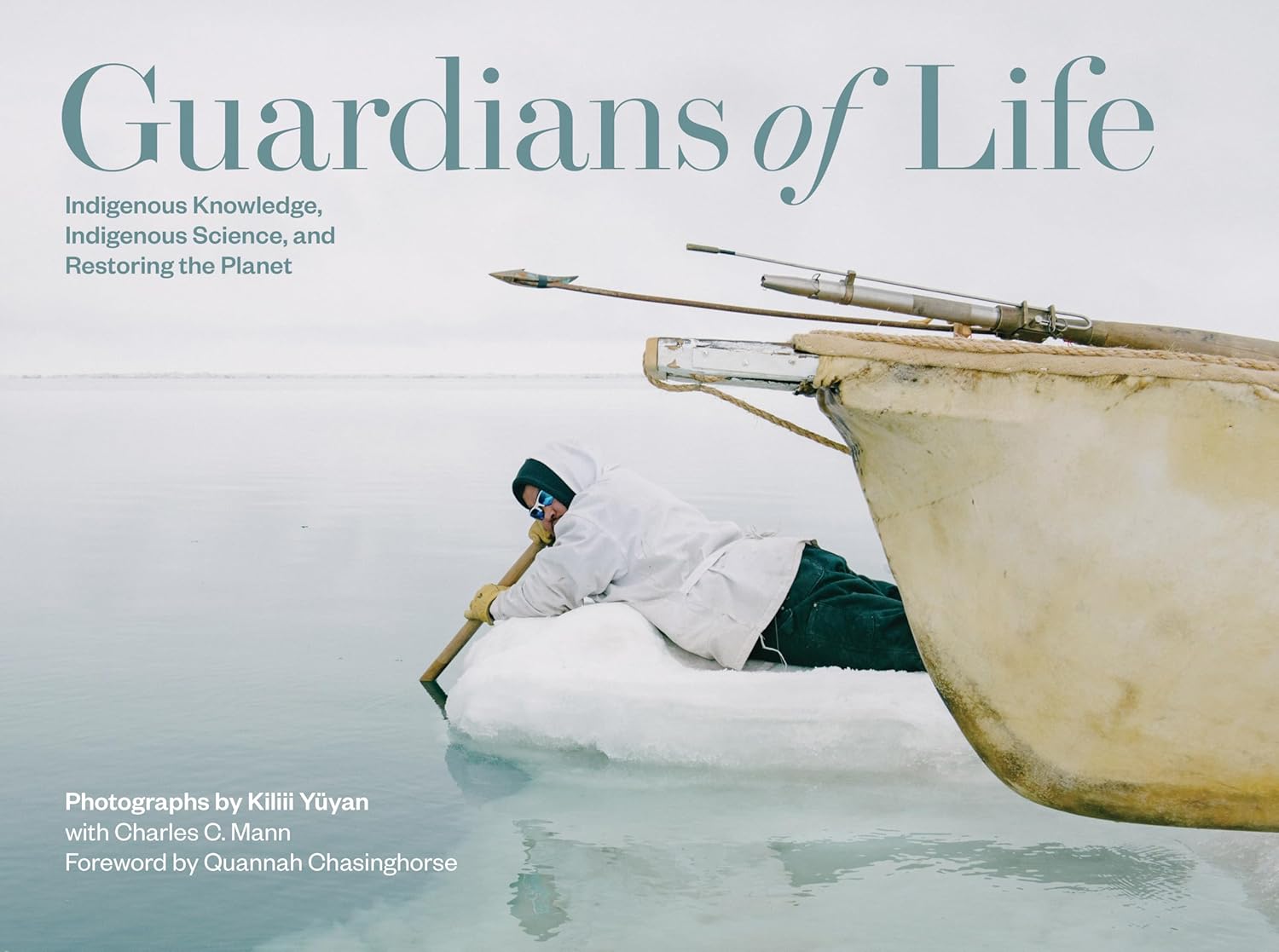
“Why are Indigenous communities so often so good at conservation?” This question is at the heart of Kiliii Yüyan’s compelling and beautiful new book, Guardians of Life.
Yüyan is known for his authentic, viscercal photographs in National Geographic, Nature Conservancy Magazine and other publications. He has worked with Indigenous communities around the globe to show their community lifeways and practices, and how those offer real conservation solutions.
The power of Yüyan’s photography and storytelling is that it’s informed by attentive listening, a deep empathy and understanding and countless hours in the field. This collection illustrates why Indigenous conservation is working. After all, “Indigenous terirtories comprise 37 percent of all remaining natural lands and contain about 80 percent of all species on Earth.”
Make This An Earth Day for All Generations
The book includes a foreword by Indigenous model Quannah Chasinghorse and essays by Charles Mann, Gleb Raygorodetsky, Erjen Khamga and others. The photos and words show how Inupiat whalers tripled the bowhead whale population (directly contradicting what bureaucrats thought they knew), how the Cofan of Ecuador have used their knowledge to defend land against extractive industries and many other insightful, inspiring stories of resilience and restoration.
It’s a book that all conservationists should ponder. It’s a gorgeous book that offers solutions to our current climate and biodiversity crises. (MM)
-
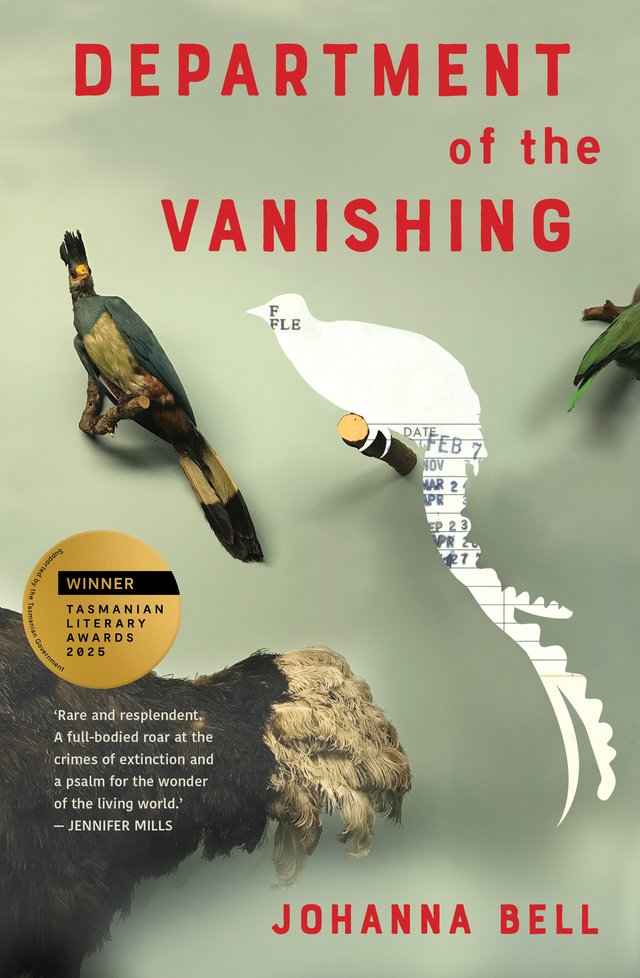
Department of the Vanishing
By Johanna Bell
I spend a lot of time thinking about extinction. (It’s hard not to, when you write about wildlife and the environment for a living and spend your free hours in nature.) And so it makes sense that I find myself reaching for eco-fiction as a way of working through the unique grief that comes from living in the Anthropocene.
Novelist Johanna Bell’s new book, Department of the Vanishing, is an absolutely standout amid the climate fiction genre. It’s not a straightforward novel, but rather a collection of documentary poetry, archival images, and narrative verse stitched together to tell one woman’s story of a life amid extinction.
Set in a not-too-distant future where birds are dying by the millions, Ava works as a government archivist. She spends year after year cataloging the cultural detritus of extinct birds — scientific data, quotations, artworks — filing them away to document all that has vanished for future generations.
We first meet in a police interrogation room, where investigators probe her with questions about her work, and Ava’s mind wanders back to the disappearance of her father 30 years ago. To say any more would spoil the story, so I’ll leave it there. Department of the Vanishing is unlike anything I’ve ever read: a collage of loss and intrigue, infused with the heartache of climate grief and the wonder of birds. (JEH)
-
Every Cast: Chronicles of a Deeply Hooked Angler
By Stephen Sautner
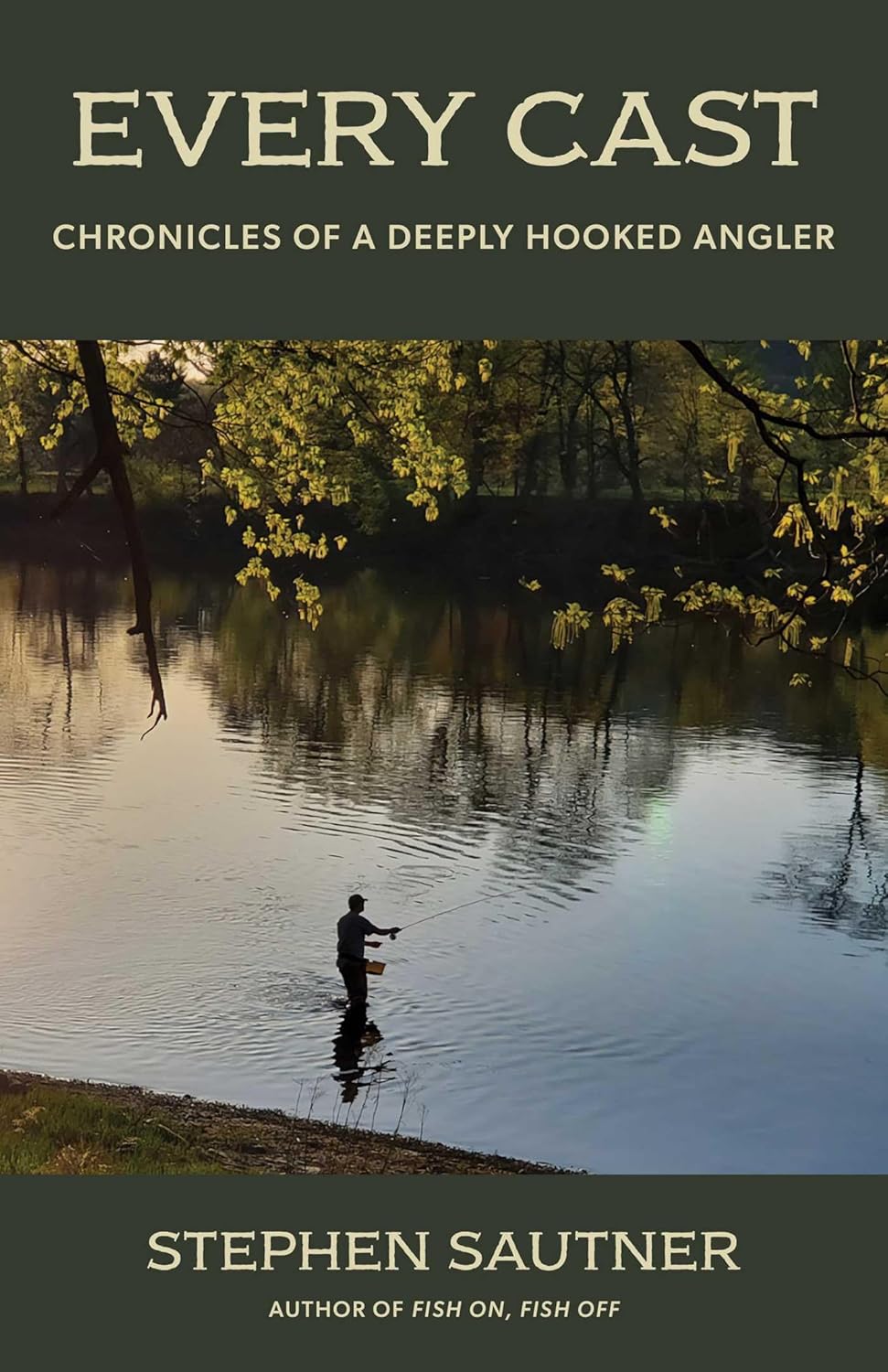
For Stephen Sautner, fishing is not so much a lifestyle as it is a passion integrated into every aspect of life. In this fine collection, he captures why fishing is so enthralling (and addicting?) to so many of us.
I appreciate that his writing doesn’t just focus on far-off destinations and blue-ribbon streams, but also on the everyday moments that comprise a well-lived angling life. He sneaks in a few casts when he can and his mind is on fishing even when he ventures into an antique store. In Every Cast, Sautner contemplates stocked trout and suckers, the dead things you find in streams and dehydration. He follows stripers along the East Coast and chases brook trout in blue lines.
Sautner also writes of the importance of conservation in angling. I especially enjoyed “Dude, Where’s My Hatch,” one of the best pieces I’ve read on the decline in aquatic insects, what that means for angler and what we can do about it.
Sautner makes every cast, and every word, count. As he reflects, “Riffles gurgle through my brain. Tides flood my psyche. When I’m not on the water, my days are spent thinking about the next hatch or the waxing moon.”
Yes. If you’re similarly hooked, it’s a book to savor when you can’t be on the water. (MM)
-
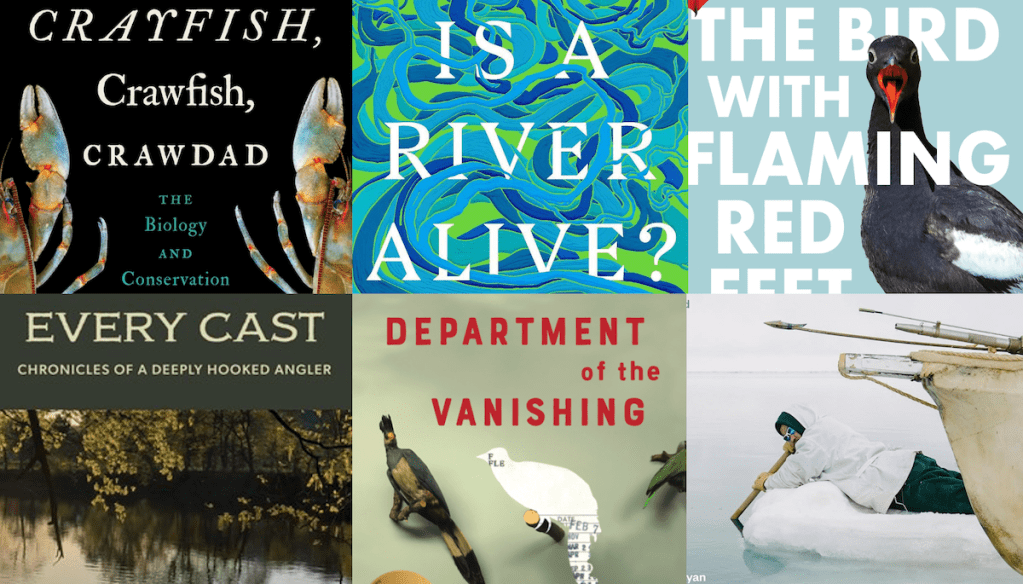
Crayfish, Crawfish, Crawdad
By Zackary A. Graham
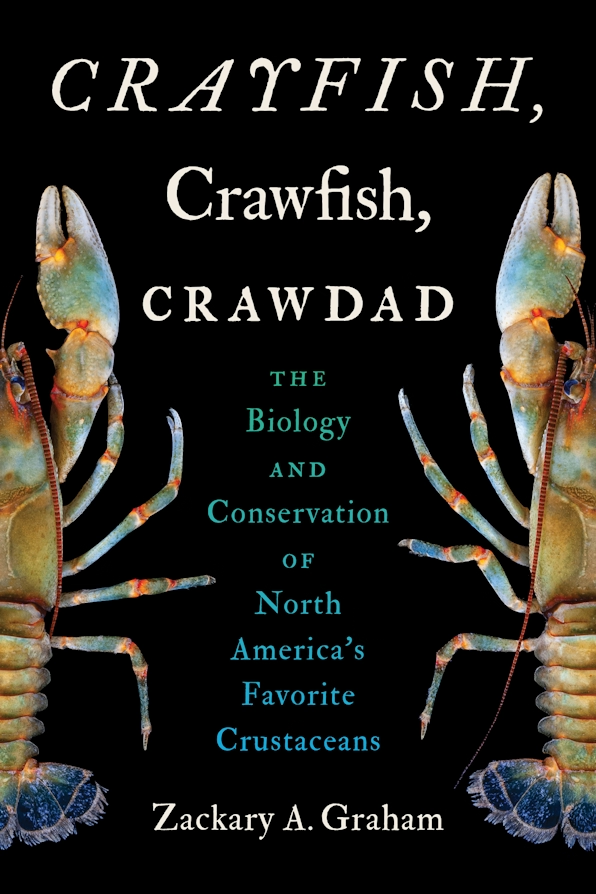
Anyone who flipped creek rocks as a kid (or adult) is likely familiar with crayfish. But how well do you really know these creatures? It turns out, these crustaceans are more fascinating than you imagined. Biologist Zackary Graham offers an entertaining guide to crayfish natural history and conservation.
There are 400 species of crayfish in the United States, living in a variety of aquatic habitats. Graham uses field experiences to tell the stories of these crayfish. It’s filled with fun facts: how crayfish propel themselves backwards through the water, why what happens when a crayfish gets drunk and how crayfish communicate with urine (yes, really, and it’s even wilder than it sounds).
Like much of freshwater biodiversity, many crayfish species are under threat. Taylor looks at the causes, from mining to other crayfish. (Invasive species outcompete native crayfish in many parts of North America and the world). Taylor snorkels springs in search of endemic California crayfish, probes burrows for burrowing crayfish and lets his crustacean enthusiasm shine through on every page. It’s a fun read for any creek explorer and creature catcher. (MM)
-
Is a River Alive?
By Robert Macfarlane
I’ve long admired Macfarlane’s ability to write about place, blending research, travelogue, and personal reflection in a way that few writers can. In Underland, a particular favorite of mine, Macfarlane explored Earth’s deep-time past by journeying through real and mythical underworlds.
Macfarlane’s newest book, which came out last year, has been sitting on my nightstand for some time. And now I’m kicking myself for not reading it sooner. In Is A River Alive? Macfarlane turns his attention from subterranean realms to rivers.
Rivers are about connection; the water that flows through them links ecosystems as well as human cultures.
To explore our relationship with rivers, Macfarlane journeys to the cloud-forest streams of Ecuador, the lagoons of India, and the whitewater rivers of Canada; all three places where waterways are under threat.
This book is more political than Macfarlane’s previous works, as he delves into a burgeoning movement that interrogates whether or not nature and natural features (live rivers) should have the same legal rights as a human being. It’s a masterful, heady read, and you’ll never think about a river the same way again. (JEH)
-
The Bird with Flaming Red Feet
By Maria Mudd Ruth
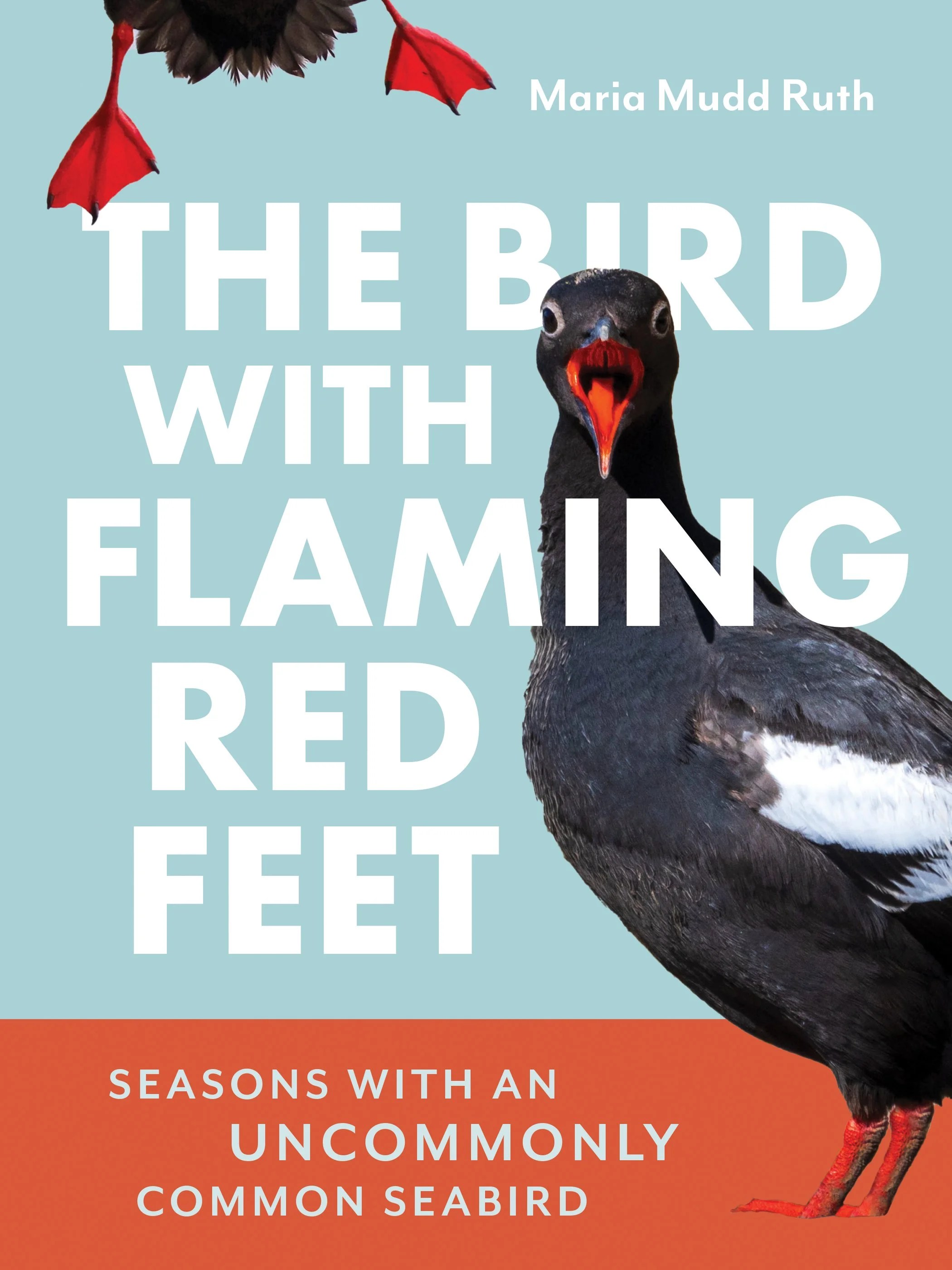
Maria Mudd Ruth says that when people hear she’s a natural history writer, they assume she’s a birder. She’s not. While she always enjoyed seeing birds while kayaking or hiking, she was not one to keep a list or seek out rarities.
But this book is about devoting a decade to watching one particular bird: the pigeon guillemot. If that seems like an unusual bird to focus on, well, it kind of is. The pigeon guillemot has a narrow enough range (the Pacific Coast of North America) that it’s relatively unknown to the average backyard bird feeder. But it’s also quite common where it lives, so serious birders don’t pay it much heed either.
Mudd Ruth was taken by the antics of guillemots; they’re prone to aerial acrobatics and play. This led to her involvement in a citizen science project that had her observing and monitoring pigeon guillemots, and in this book entertaining book she shares what she’s learned.
You could call it “deep birding,” the careful watching of one species over time. She shares the many fascinating aspects of a pigeon guillemot’s life, as well as the community of citizen scientists dedicated to monitoring these birds. The book captures the often-overlooked spectacles happening all around us and is a celebration of where curiosity can lead. (MM)
Any statements made in this page are not endorsements of products, services, or brands by The Nature Conservancy or our partners, nor discrimination against similar brands not mentioned.
Join the Discussion