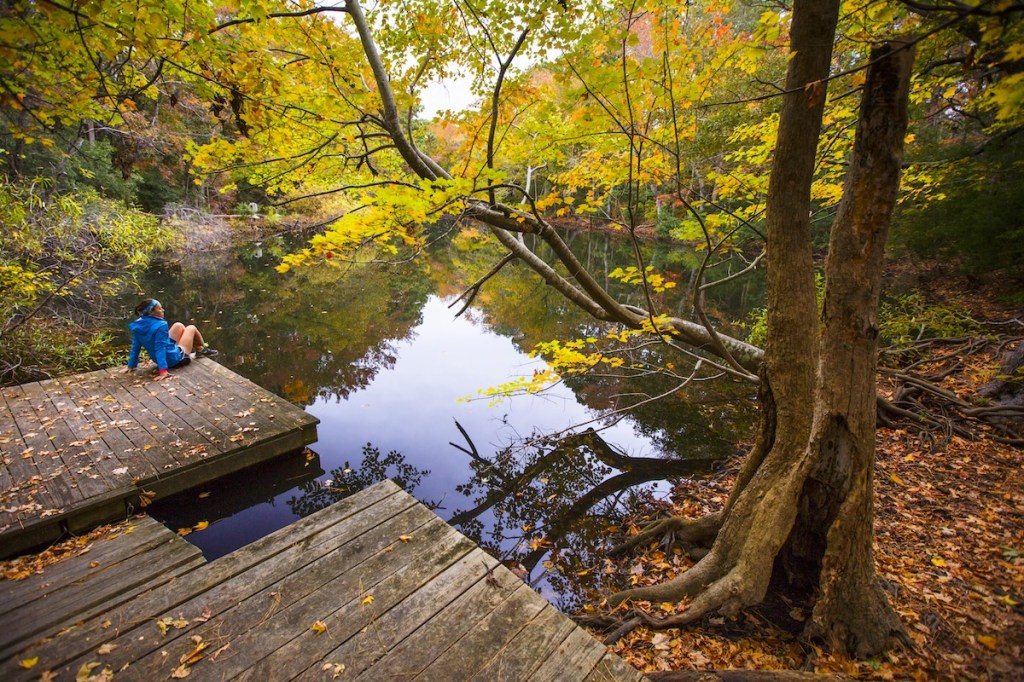
Just a short drive from the beaches and buzzing vacation spots of the Outer Banks lies one of the East Coast’s most remarkable natural refuges for birds and wildlife: Nags Head Woods Ecological Preserve.
Owned and managed by The Nature Conservancy, this 1,200-plus-acre maritime forest protects one of the largest remaining tracts of this rare coastal habitat along the Atlantic seaboard, making it an ideal destination for birding year-round.
What makes Nags Head Woods so special for birds is its maritime forest ecosystem, a forest shaped by salt-laden air, sandy soils, and the constantly shifting boundary between land, sound, and sea.
These conditions create a rich mosaic of habitats, from shady oak and hickory canopies to brackish marshes, freshwater ponds, interdunal swales, and dense understory thickets. For birds, this diversity means food, shelter, and flexibility, especially along a busy migration corridor.
A Year-Round Birding Destination
More than 150 bird species have been documented at Nags Head Woods, with over 50 species nesting on the preserve. Forest songbirds, marsh specialists, and migratory species all find what they need here, making every season rewarding. Spring and fall bring waves of migrants moving along the coast, while summer offers breeding activity and winter delivers quieter walks punctuated by woodpeckers, waterfowl, and raptors. Whether you’re scanning for warblers in the canopy or listening for sparrows in the reeds, there’s always something happening.
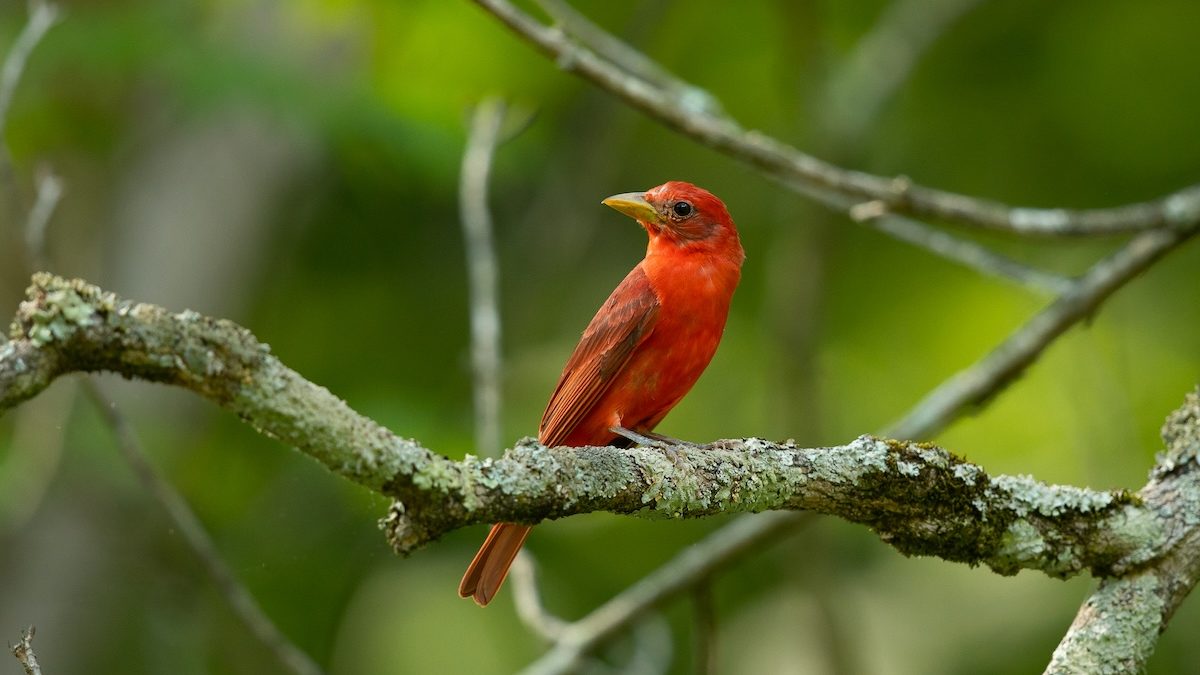
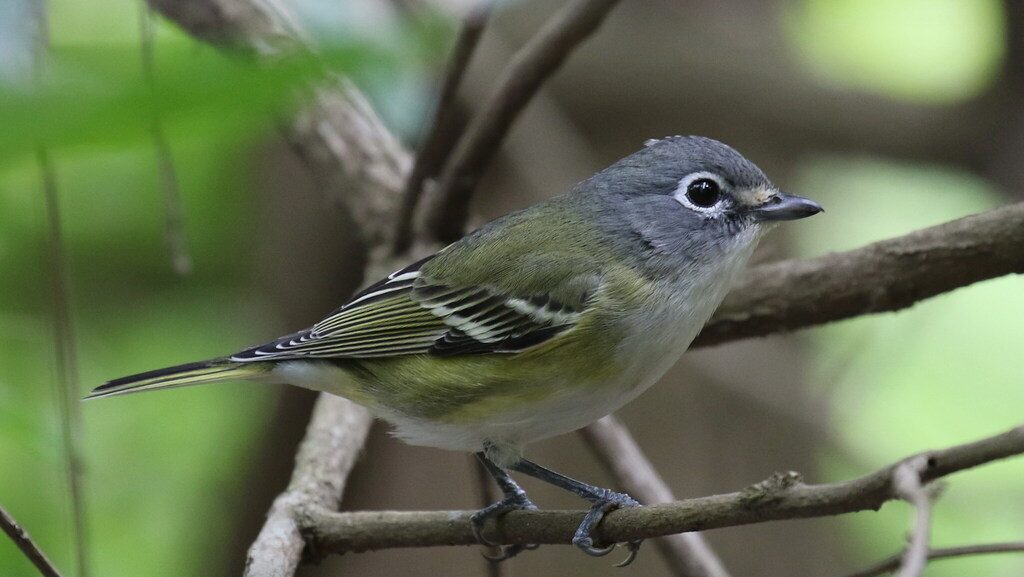
Spring (March–May): Spring brings a flush of songbirds moving north along the coast. Listen and look for colorful warblers flitting through the canopy, including prothonotary, yellow-throated, and black-and-white warblers. Summer tanagers, vireos, and thrushes are also common during this time, and early mornings can be especially lively with song echoing through the forest.
Summer (June–August): During summer, many birds settle in to nest. Woodpeckers—such as pileated, red-bellied, and downy—are active year-round but particularly noticeable now. You may also encounter breeding songbirds like eastern towhees, blue-gray gnatcatchers, and yellow-billed cuckoos. Wetland edges and ponds can host wood ducks, herons, and egrets.
Fall (September–November): Fall migration offers another pulse of diversity as birds move south. Mixed-species flocks often pass through the woods, and raptors such as broad-winged hawks and peregrine falcons may be seen overhead. Sparrows and other skulking species become more apparent along marsh edges and dense understory as foliage thins.
Winter (December–February): Winter birding is calmer but no less rewarding. The absence of leaves makes it easier to spot birds like brown-headed nuthatches, kinglets, and wrens as they forage through trunks and branches. Waterfowl and wading birds linger around ponds and marshes, and sharp-eyed visitors may catch sight of a soaring bald eagle or a hunting red-shouldered hawk.
No matter the season, Nags Head Woods offers a reminder that maritime forests are dynamic, living systems, places where birds find refuge, resources, and safe passage along one of the Atlantic Coast’s most important migration routes.

Trails That Invite Exploration
Birding at Nags Head Woods unfolds along eight self-guided trails that wind through ridgelines, wetlands, and forest interiors. Some loops are short and family-friendly, perfect for a relaxed morning walk, while others invite longer hikes and deeper immersion into the preserve’s varied habitats. A fully ADA-accessible trail provides smooth access to ponds and overlooks, offering excellent birding opportunities for visitors of all abilities especially for spotting herons, ducks, and other wetland species.
Plan Your Visit
Early mornings are often the most active times for birds, particularly during migration. Bring binoculars, wear sturdy shoes, and don’t forget water and insect repellent in warmer months. The preserve is open daily from dawn to dusk, and the quiet, shaded trails offer a refreshing contrast to the nearby beach scene.
Birding at Nags Head Woods is a chance to experience a quieter, wilder side of the Outer Banks, one where centuries-old trees shelter migrating songbirds, salt marsh sparrows chatter from the reeds, and raptors patrol the edge where forest meets sky. For birders and nature lovers alike, this preserve is a reminder that some of the most vibrant wildlife experiences aren’t found on the shoreline, but just beyond it, waiting in the woods.

Join the Discussion