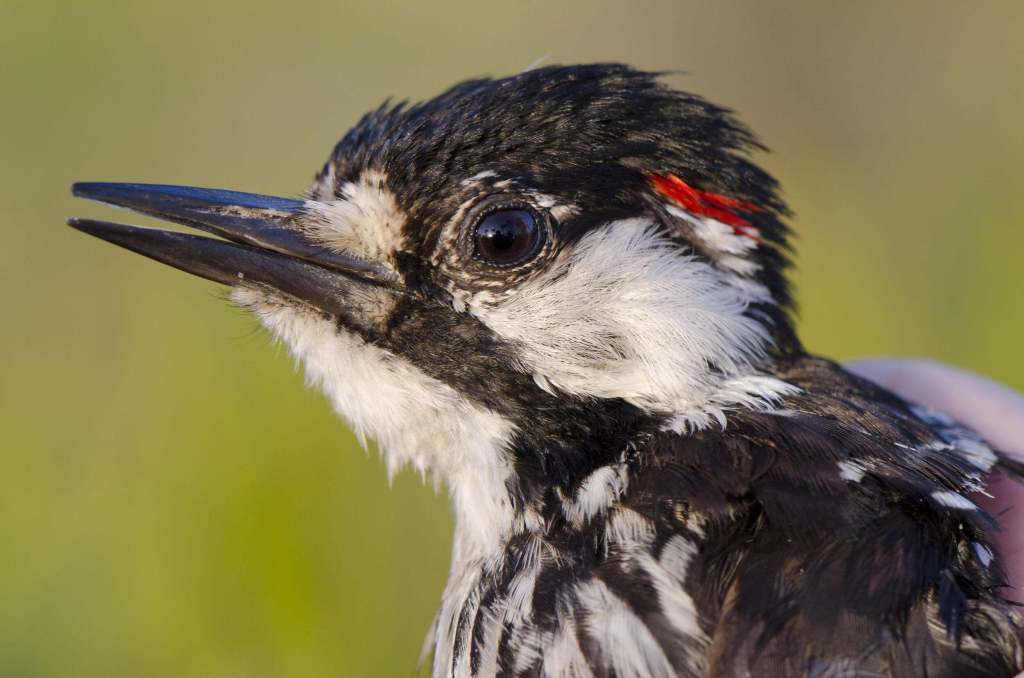
In the heart of the longleaf pine forests of the southern United States, a quiet drama plays out each spring. Inside tiny nest cavities high into pines, red-cockaded woodpecker (RCW) parents work tirelessly to feed their chicks.
These birds are small—barely the size of a robin—but their social lives are surprisingly complex. They live in family groups where everyone, even older offspring, helps care for the young. That’s what makes them special; they’re cooperative breeders, families bound not just by instinct, but by teamwork.
Become a Member
Make a lasting impact for nature when you join The Nature Conservancy!
Yet even among these helpers, not every chick survives. Over the years, scientists have noticed that in many nests, one or more chicks die before fledging–a pattern known as partial brood loss.
Thanks to decades of intensive habitat restoration and conservation, the RCW has made a remarkable recovery. Once listed as endangered, it was downlisted to threatened under the Endangered Species Act in 2024—a milestone for one of America’s most iconic conservation success stories.
As conservation efforts have helped the species rebound, the mystery of why some chicks survive and others don’t has become more puzzling.
How could a recovering population still be losing so many young? That question became the heart of my research as a part of my dissertation at North Carolina State University.
A Mystery in the Pines
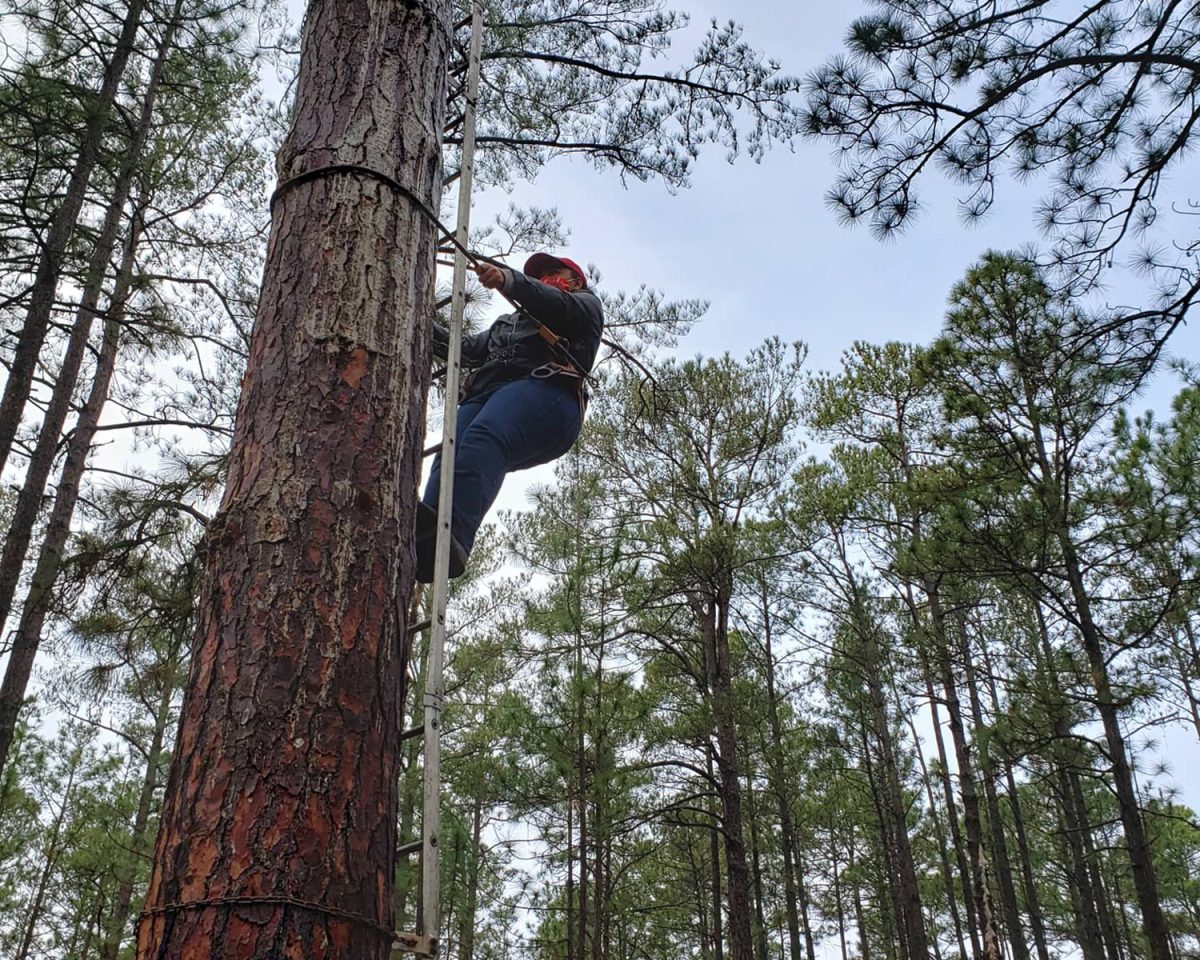
I studied RCWs across three long-term research sites—two in North Carolina and one in Florida. In North Carolina, I worked in the Sandhills region, which includes Fort Bragg (previously Fort Liberty) along with surrounding public and private lands, and at Marine Corps Base Camp Lejeune on the coast. The third site was Eglin Air Force Base in the Florida Panhandle.
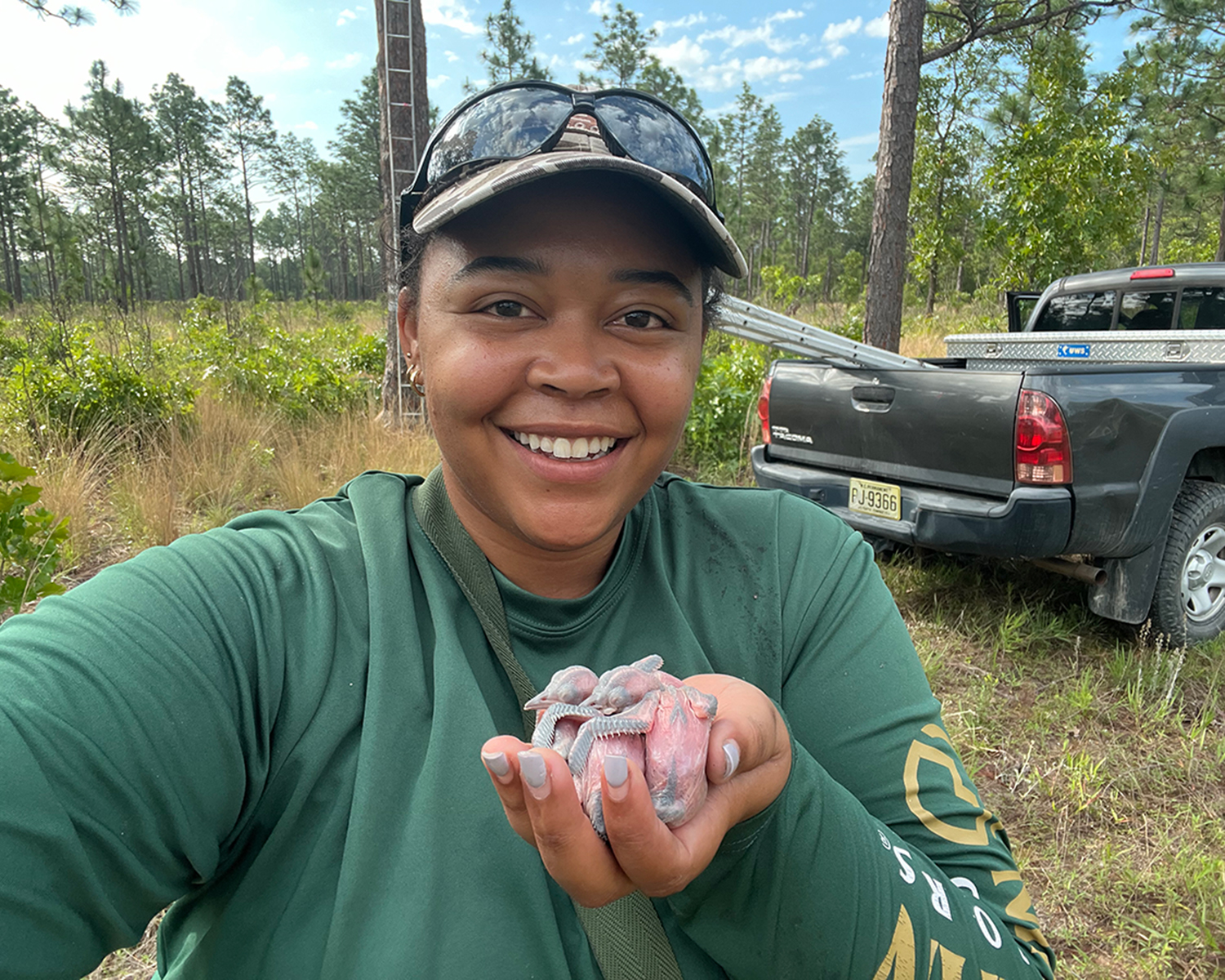
These are some of the most intensively monitored bird populations in North America.
Decades of data track every nest, every chick, and every adult, offering an unparalleled window into the lives of these cooperative families and the forces that shape their survival.
I wanted to know: what’s driving the loss of chicks? Is it competition between neighboring families? Is climate change playing a role? Or could the explanation lie inside the nest itself?
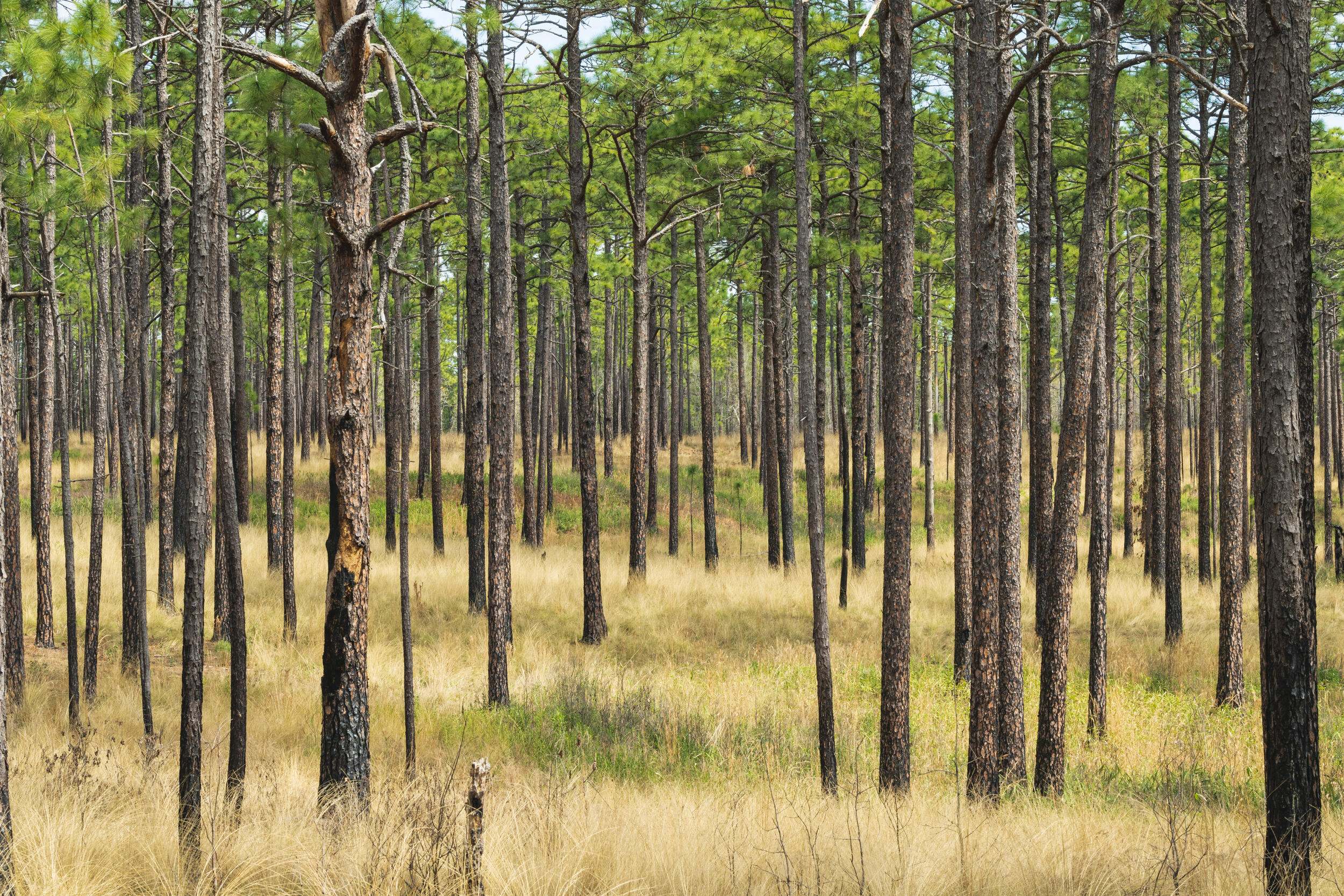
Crowded Forests?
As woodpecker numbers climbed, it was easy to assume that crowding might be to blame—more birds competing for food and space, leading to more chick deaths. But when I dug into the data, the story wasn’t that simple.
Across all three study sites, I found no evidence that higher population density caused partial brood loss. In other words, even as the forests filled with more families, their chicks weren’t dying because of crowding.
The increase in chick deaths was happening for other reasons—reasons woven more deeply into the bird’s environment and family dynamics.
The Weather’s Complicated Hand
If it wasn’t density, maybe it was the weather. These birds raise their young in spring and early summer, a time when temperature can swing wildlife and rainfall can turn from drought to deluge.
At one site—the North Carolina Sandhills—warmer weather after hatching actually helped more chicks survive. But that pattern didn’t hold everywhere. Other populations showed little or no consistent link between weather and chick loss.
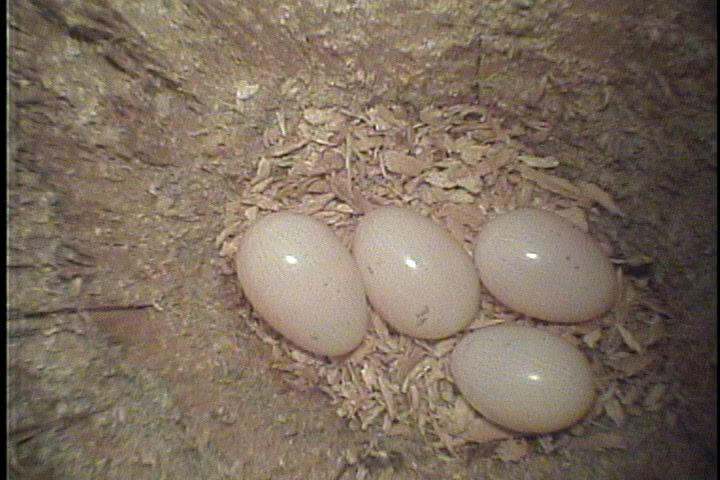
One clear sign of change though, stood out: woodpeckers are laying eggs earlier in the season. As the climate warms, their breeding schedule is shifting forward. That adjustment may help them keep up with changing conditions—or it may expose them to new challenges as the environment continues to change.
Inequality in the Nest
The real breakthrough came when I looked at the chicks themselves. In an RCW nest, not all eggs hatch at the same time. That means some chicks start life bigger and stronger than their siblings.
When times are tough—say, food is scarce or the weather turns harsh—the smallest chicks often don’t make it. This process, called brood reduction, sounds cruel, but it’s a natural way for parents to ensure that at least some offspring survive.
Across all three sites, I found that greater size differences among chicks meant a higher chance of death. Weather wasn’t directly killing the chicks—it was changing how unequal they were. Rainfall, temperature, and the timing of laying all influenced which chicks hatched strong and which fell behind.
Lessons from a Cooperative Family
What I learned from these birds is that survival isn’t just about how many neighbors they have or how hard the weather hits. It’s about the delicate balance within each family—the timing of laying, the conditions they face, and how those forces shape the lives of chicks before they ever take flight.
The RCW’s story is one of resilience and complexity. Even as populations recover, hidden struggles remain—tiny dramas unfolding in the dark of pine cavities. These woodpeckers remind us that recovery isn’t just about numbers. It’s about understanding the subtle, interconnected forces that make life possible in the first place.
As climate change continues to reshape the world around us, we’ll need to pay attention not only to how species survive—but how they raise their young, adapt, and carry on the work of family in a changing world.
This research was supported, in part, by a grant from The Nature Conservancy in North Carolina.

Join the Discussion