Discover stories in TNC Priority
Oyster Hatcheries Help the Industry Adapt to Climate Change
How can the shellfish industry adapt to the challenges posed by climate change?
Conservation-Friendly Farming Can Benefit Both Birds and Crops
Is farming in harmony with conservation efforts increasing the benefits or risks from birds?
Savanna Fire Management Can Fund Africa’s Protected Areas
A new study finds that fire management on Africa’s savannas can generate enough carbon revenue to help fill the funding gap for protected areas.
Tropical Deforestation May Reduce Safe Work for Millions
Deforestation reduced safe work hours for more than 4.9 million people across the tropics.
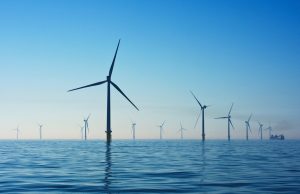
Can Offshore Wind Development Enhance Fish Habitat?
In addition to providing clean energy, a new report demonstrates that wind turbines can also enhance fish and marine life habitat by incorporating nature-based design principles.
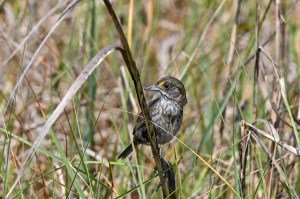
How Sea-level Rise Impacts Marsh Sparrows
Scientists are studying the effects of sea-level rise on salt marshes, and two imperiled sparrow species.
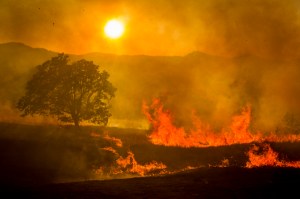
When Wildfire Comes to Nature Conservancy Preserves
This year, wildfire affected dozens of Nature Conservancy preserves. How did they fare?
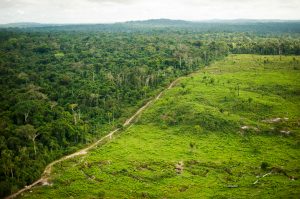
Deforestation Is Killing Workers in Tropical Countries
New science estimates that heat increases caused by deforestation are killing more than 100 people per year in Berau, Indonesia.
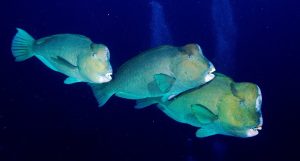
For Parrotfish, One Protected Area Isn’t Enough
Research from the Solomon Islands finds that populations of bumphead parrotfish rely on larvae from other reefs, meaning they’re unlikely to rebound if the entire region is overfished.
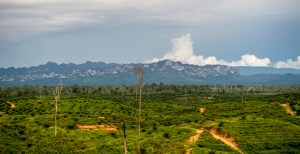
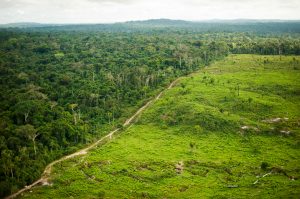
Mapping Monitoring Zero-Deforestation Commitments
How do companies translate zero-deforestation commitments into action?
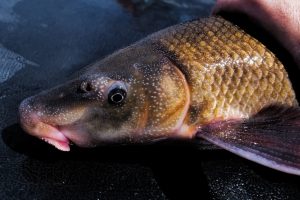
The End of Trash Fish
It’s time to put the idea of “trash fish” where it belongs—in the trash.
Electronic Monitoring Could Be Key for Data-Poor Longline Fisheries
Electronic monitoring can provide much-needed data on catch and discards on longline tuna fisheries.