Leading with Science
Conservation leadership in today’s world means not only delivering on-the-ground results, but also being a visible, articulate thought leader — innovative, interdisciplinary, and able to communicate effectively with a variety of audiences. The Science Impact Project (SIP) draws together exceptional talent from the Conservancy’s global science staff and cultivates superior leadership and communications skills through a series of targeted trainings and mentoring.
Individual Projects are a Major Focus
A project may be a new technological approach or a new way of thinking about an issue; it may apply a successful approach from another field to conservation; or it may aspire to make conservation science accessible to audiences that simply haven’t been that interested before. The Science Impact Project stands at the intersection of innovative science and effective communication. The most successful projects will have elements of both.
Stories from The Science Impact Project
Meet the Caecilian, the Weird Amphibian Now Established in Florida
What exactly is a caecilian? And how did it get to Florida? Let’s look at this unusual creature.
On the Hunt for Bats
Conservationists want to help the endangered Mexican long-nosed bat. But first they have to find it.
A Nature Conservancy Volunteer’s Hunt for Champion Trees
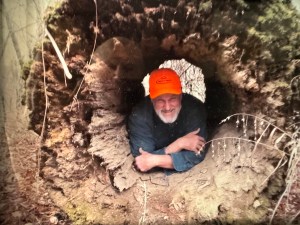
Gary Williamson and his friends have found more Champion Trees – the largest of their species – than anyone. And at age 82, he’s still searching.