Discover stories in Uncategorized
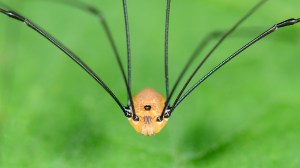
Daddy Longlegs Won’t Kill You
Daddy longlegs truly are amazing. Is there any truth to the myth that made them famous?
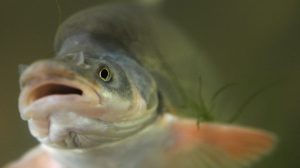
Recovery: Humpback Chubs, New Values and New Hope for Endangered Native Fish
Once fisheries managers advocated that anglers squeeze and kill any native humpback chub they caught. But attitudes, they are a changing.
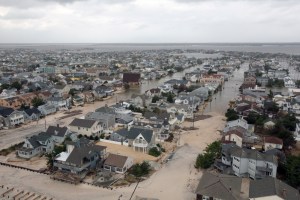
How Much Do Wetlands Reduce Property Damage During Hurricanes?
A Collaborative Study with the Insurance Industry Four years ago this month, Hurricane Sandy devastated much of the US Atlantic […]
We Can Have Oceans Teeming with Fish with FishFace Technology
Good data about the size and distribution of fish sets sustainable fisheries apart from those that are overfished. FishFace uses facial recognition technology to supply that data in real time.
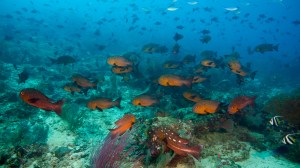
Three Great Fall Reads: Natural Page Turners
Our fall book review features nature and conservation reads that will keep you on the edge of your seat.
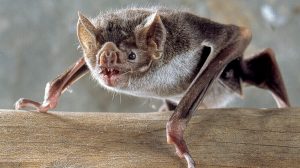
Koalas Have 2 Thumbs & Other Weird Australian Wildlife Facts
Not every animal in Australia wants to kill you, but they are all weird. Really weird.
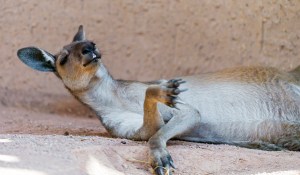
Recovery: Saving the “Rat” That Isn’t
To know the Key Largo woodrat is to love it – and to want to protect it. But invasive predators pose the biggest threat.
Flight Over the Bas-Ogooué: Using Drones to Map Gabon’s Wetlands
Nature Conservancy scientists are using unmanned aerial vehicles to create the first-ever detailed wetlands map of coastal Gabon, in partnership with NASA and the European Space Agency.
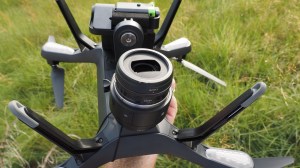
Conserving Bison in Indiana. Yes, Indiana.
Bison are coming back to Indiana. Join land steward Tony Capizzo to learn what factors influence a bison reintroduction.
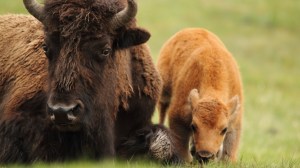
Pika Quest
Meet the American pika; an adorable relative of the rabbit that hides high in the “sky islands” of mountain slopes. Adapted to a cold environment, these furry mammals are at risk in a warming world.
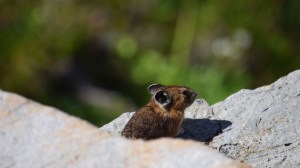
From the Field: Survival Tips & Tricks for Remote Science Reporting
Aside from great science, what do you learn as a field reporter for CGS? Read on for tips and tricks for conservation science reporting.
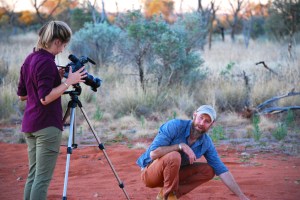
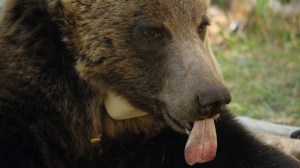
Get Up Close and Personal With a Grizzly: Trapping Bears for Science
Researchers in the Greater Yellowstone Ecosystem are tracking grizzly bears to learn their movements. Our journalist gets you up close to the tracking operation.