Discover stories in Uncategorized
Birding the Outer Banks’ Hidden Gem: Nags Head Woods Preserve
Birding at Nags Head Woods is a chance to experience a quieter, wilder side of the Outer Banks, one where centuries-old trees shelter migrating songbirds.
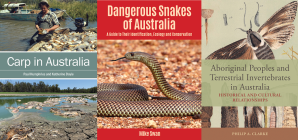
Three New Nature Books from CSIRO Publishing
Three excellent new Australian nature books from CSIRO.
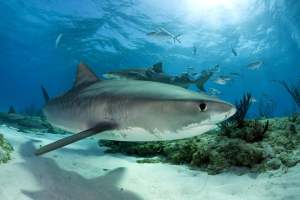
What the Tiger Shark Ate (and Why it Matters)
When a tiger shark coughs up an echidna, it’s more than internet gold—it’s a surprisingly useful clue to our changing oceans.
Spring Fling: A Morning on the Sage Grouse Lek
A wildlife filmmaker’s dance in the dark with sage grouse.
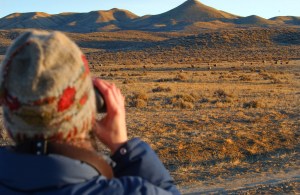
7 of the World’s Little-Known Fish Migrations
Let’s take a look at some fascinating, overlooked freshwater fish migrations.
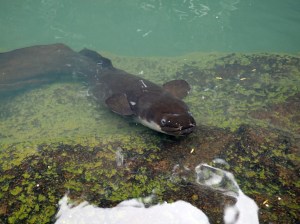
On the Trail of Snow Leopards, from Camera Traps to Habitat Maps
How modern technology and local communities are charting a path for snow leopards in Mongolia.
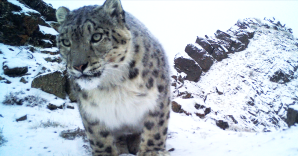
Cool Facts About the Pronghorn and Its Migration
The world’s second-fastest land animal sheds its horns. And it’s not an antelope.
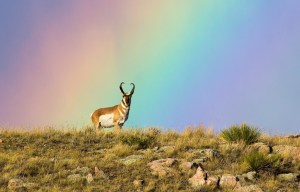
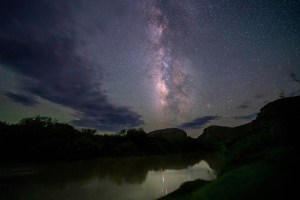
Dark Skies & Rare Insects: A West Texas Preserve Becomes a Hotbed for Research
TNC's Davis Mountains Preserve is an international dark sky reserve, but it's also a hotspot for ecological research, from rare insects to bats.
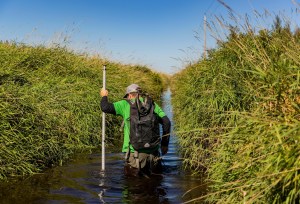
Going Ghostbusters on Peatlands
Conservationists take the first steps towards restoring some Minnesota peatlands.
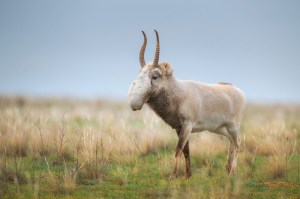
8 of the World’s Little-Known Wildlife Migrations
Learn about 8 of the animal world’s little-known migrations, from zooplankton to mole salamanders to colorful Australian parrots in peril.
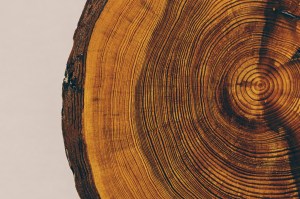
Reading the Tree Rings
By reading tree rings, scientists can see evidence of rainy years, periods of drought, bug infestations, forest fires and even volcanic eruptions.
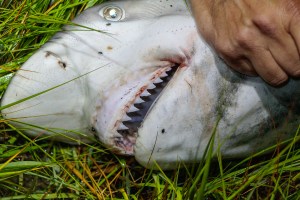
Catching Sharks for Science
On Long Beach Island, volunteer anglers help researchers uncover the hidden journeys of sharks in threatened salt marsh ecosystems.