Discover stories in Habitat Loss
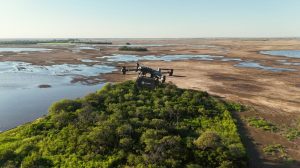
Reforesting the Gran Chaco with Drones
From the air, 8,000 native trees were seeded by TNC Argentina and the startup ReForest Latam in degraded areas of the Gran Chaco.
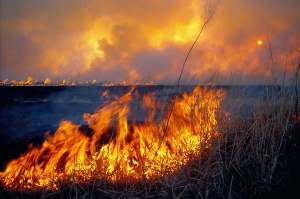
Fire, Grazing and Prairie Renewal: How Burn Frequency Shapes Tallgrass Ecosystems
Healthy tallgrass prairies need fire, but new science shows there is no one-size-fits all burn regime.
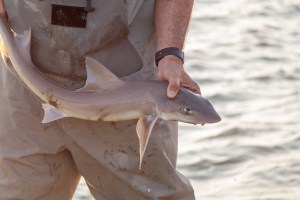
Catching Sharks for Science
On Long Beach Island, volunteer anglers help researchers uncover the hidden journeys of sharks in threatened salt marsh ecosystems.
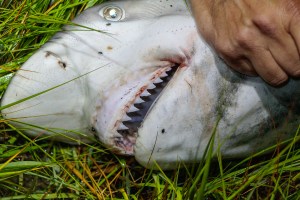
Seeing the Salt Marsh for the Sharks
Shark tagging in New Jersey’s salt marshes reveals migration patterns and shows how restoring wetlands strengthens vulnerable coasts.
Solar’s Hidden Footprint: Why Accurate Land Data Matters for Conservation
New research reveals solar datasets underestimate land use by up to 34%, masking habitat loss in natural areas.

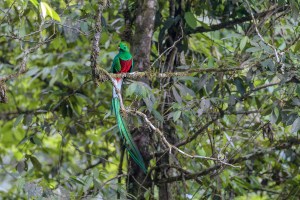
Breakfast with the Resplendent Quetzal
Haunting the cloud forest on a quest to find the magnificent, and increasingly rare, national bird of Guatemala
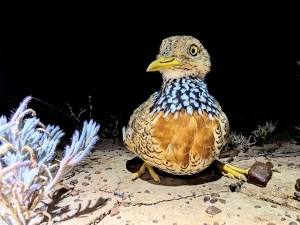
Protecting the Plains-wanderer, Australia’s Odd Inland Shorebird
Grazing lands can help protect one of the most unique — and endangered — birds in the world: the Australian plains-wanderer.
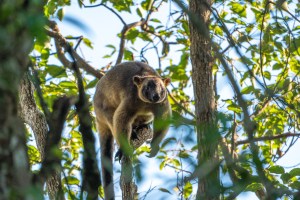
Meet the Kangaroos That Live in Trees
Tree-kangaroos are one of the world’s most bizarre and fascinating mammals.
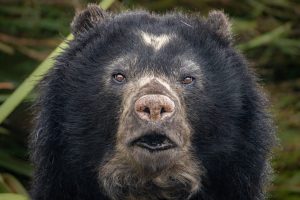
Meet the Spectacled Bear: South America’s Only Bear
South America’s only bear species is under threat from habitat loss, fragmentation, and hunting. Scientists are working hard to study—and protect—this remarkable species.
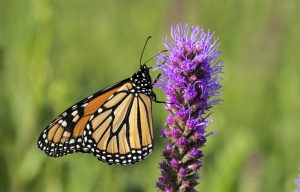
Pit Stops on the Monarch Flyway: Arkansas Partnership Benefits Pollinators
Restoring pollinator habitat on TNC Preserves to provide critical stops for monarch butterflies to nest and feed.
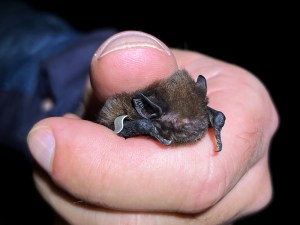
Tracking the Tiny Bats of Aotearoa
Join scientists for a night of bat trapping in New Zealand, where predator control is helping to protect the country's only endemic land mammal.
Humboldt Penguins on the Edge
Next time you’re in need of an odd animal fact to fill a conversational lull, consider the nesting preferences of the Humboldt penguin.
